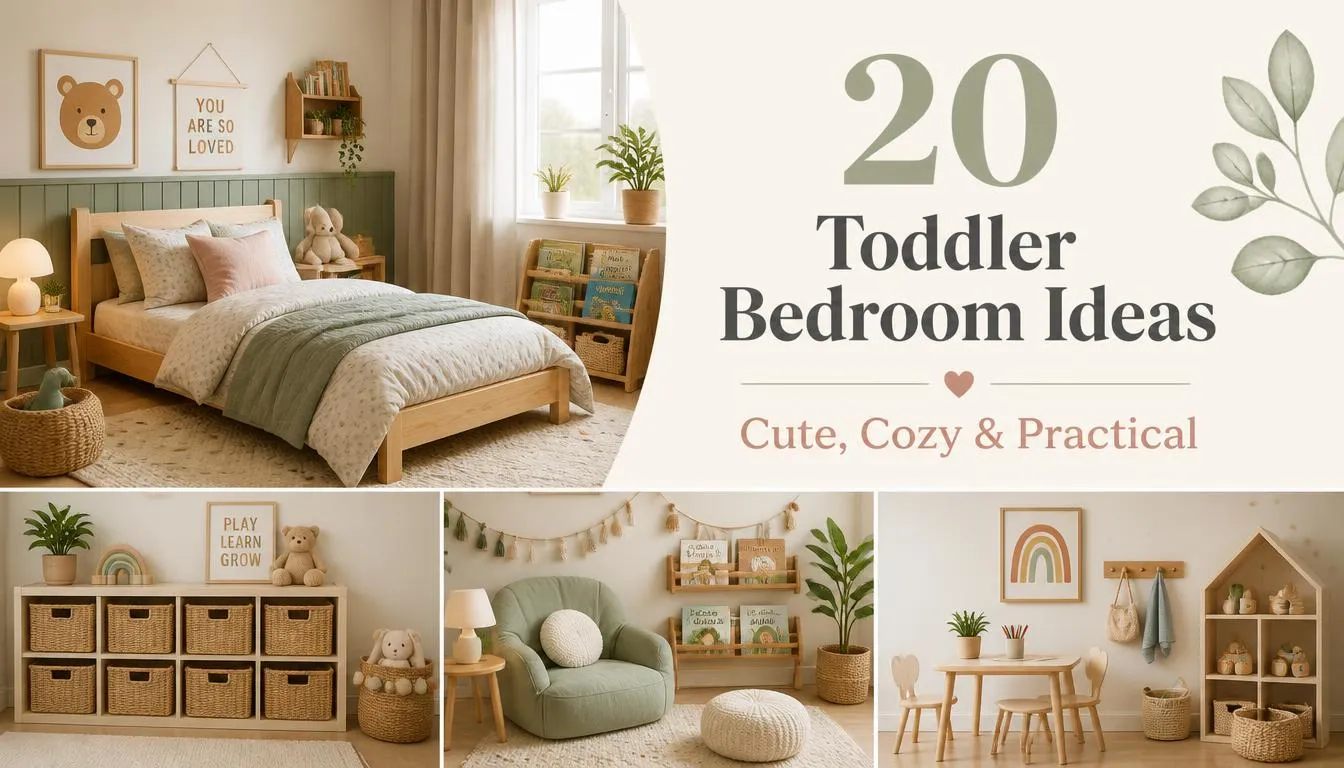
20 Toddler Bedroom Ideas That Are Cute, Cozy & Practical
A toddler’s room should feel magical, but it also needs to survive real life. Toddler Bedroom Ideas can help you create a space that feels cozy, playful, organized, and easy to enjoy every day.
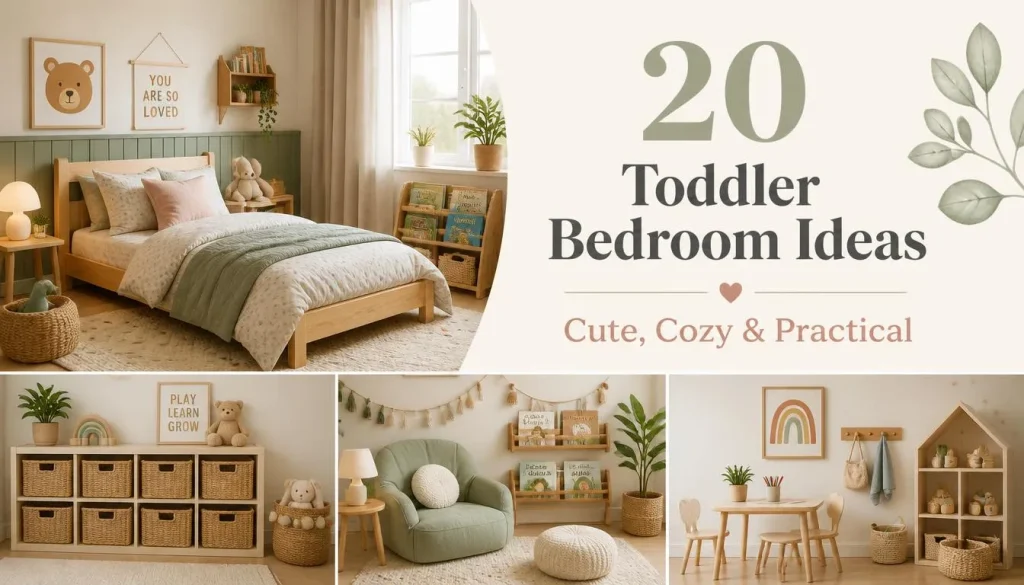
From low beds and clever storage to reading corners, soft colors, and personalized details, the right choices can make a surprisingly big difference. The goal isn’t to create a picture-perfect room that only looks good in photos. It’s to build a bedroom where your child can sleep comfortably, play freely, find favorite toys, and gradually become more independent. In my experience, the most successful children’s rooms combine beautiful details with practical features that make everyday routines easier. These ideas will help you create that balance without making the room feel crowded or complicated.
1. Low Floor Bed
- A low bed makes getting in and out easier for little ones.
- Natural wood creates a warm foundation without overwhelming the room.
- Keep a soft rug nearby for comfortable morning play.
- Accessible books and baskets encourage simple independent routines.
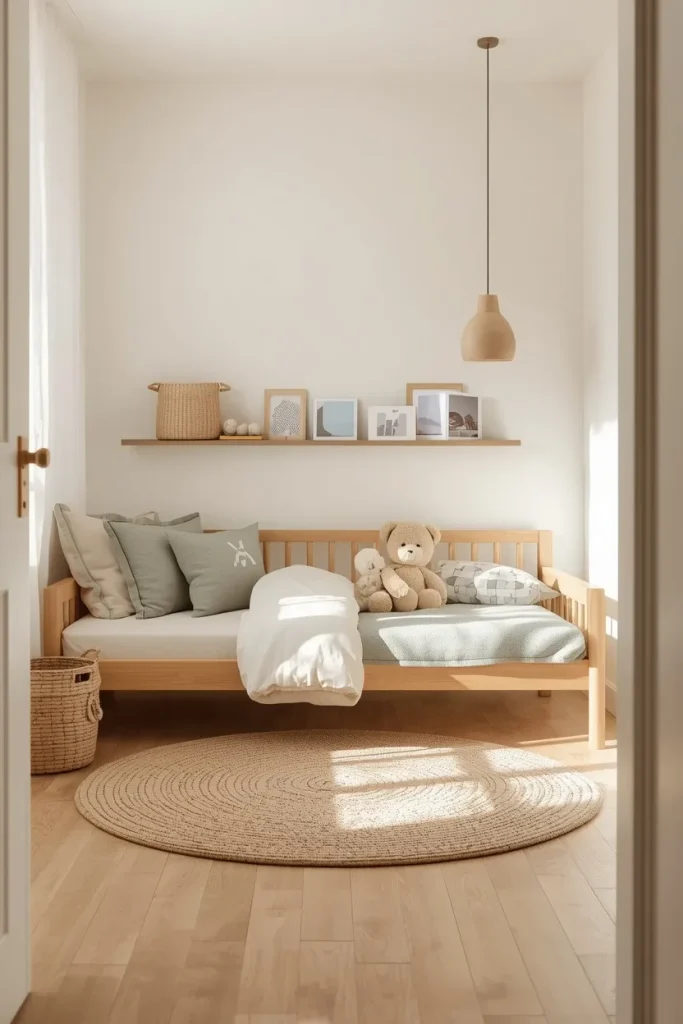
Need a bedroom that grows with your toddler? A low floor bed creates an easy, welcoming setup that encourages independence without making the room feel crowded. Choose a sturdy, child-safe frame in natural wood, then place it against a solid wall with a soft rug nearby for comfortable play. Keep bedding simple in cream, beige, or muted sage so the room feels calm. In my experience, keeping the bed visually low also makes small bedrooms appear more open. Add a few accessible books and a small basket so bedtime essentials stay within easy reach.
A floor-level sleep space can make daily routines feel simpler while giving a toddler more freedom to move around safely. Position the bed where adults can easily reach it, leaving clear walking space on both sides when possible. Rounded furniture edges, washable bedding, and a soft rug help the room handle everyday play without sacrificing style. For a polished look, repeat one or two colors from the bedding in curtains, storage baskets, or wall art. This creates a cohesive room that feels intentional, practical, and easy to update as your child’s needs change.
2. Built-In Book Nook
- A compact reading nook gives unused wall space a clear purpose.
- Front-facing shelves make favorite books easy for toddlers to recognize.
- Soft cushions add comfort without taking up much floor area.
- Keep heavier books lower and securely anchor shelving for safety.
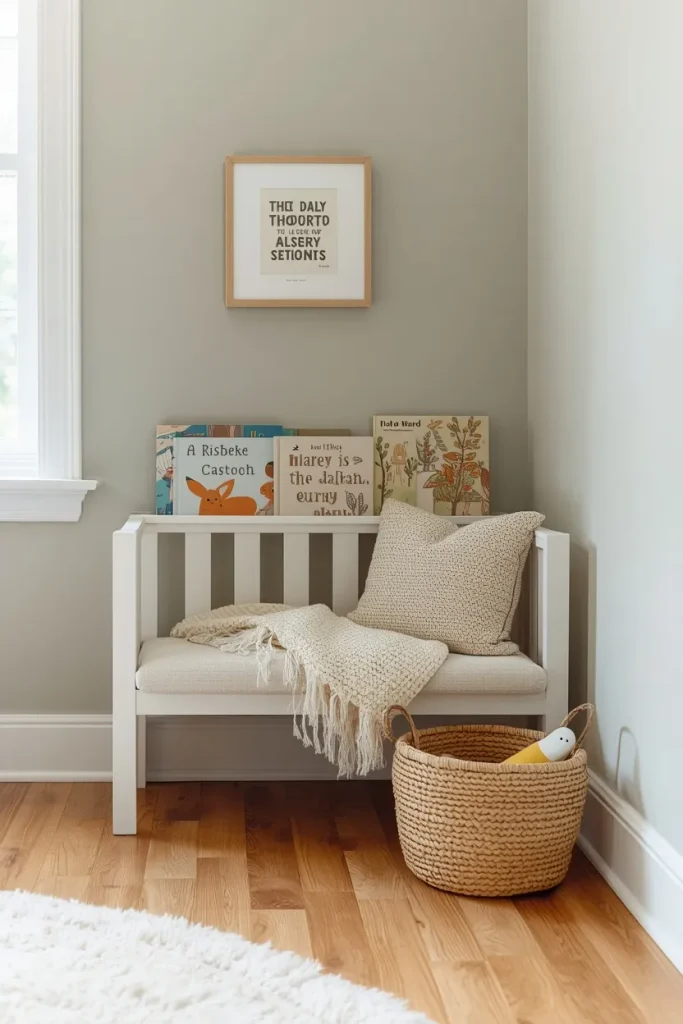
A little reading corner can turn an ordinary bedroom wall into one of the most useful features in the space. Use a low, front-facing bookshelf beside a cushioned bench or floor mattress so book covers remain visible and inviting. Soft ivory, dusty blue, warm beige, or pale green can keep the nook connected to the rest of the room. Add a small wall light or nearby window for comfortable daytime reading. I’ve noticed that displaying only a few favorite books at once keeps the area tidy and makes toddlers more interested in choosing something independently.
The best reading nooks are simple enough for everyday use but cozy enough to become a favorite retreat. Place the seating away from the bed if the room allows, creating two distinct zones for sleeping and quiet play. A washable cushion, small blanket, and woven basket can add softness while providing practical storage. Secure the bookshelf firmly to the wall, especially when it is within a toddler’s reach. For additional inspiration and room-planning ideas, you can also explore home decor inspiration. The result is a charming corner that supports reading habits without cluttering the bedroom.
3. Soft Play Corner
- A defined play corner keeps toys contained instead of spreading across the bedroom.
- A washable rug creates a comfortable surface for sitting and playing.
- Low baskets help toddlers return toys without complicated storage.
- Choose a few coordinated colors to make the area look visually calm.
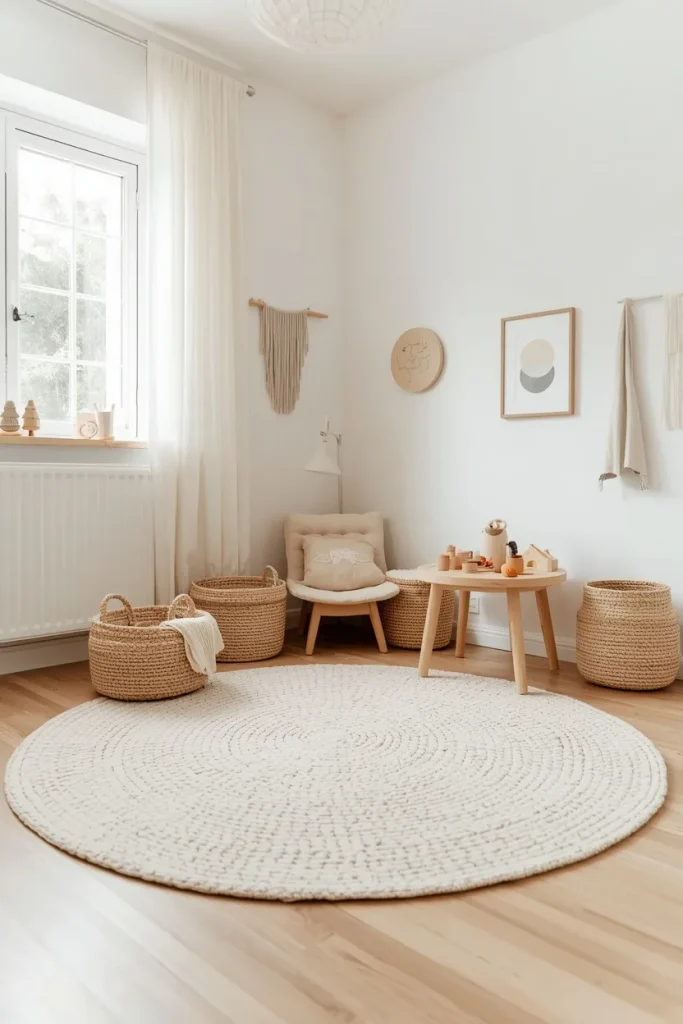
A dedicated play corner can make a toddler’s bedroom feel organized while still leaving plenty of room for imagination. Start with a large washable rug in a neutral shade, then add two or three low baskets for blocks, stuffed animals, and pretend-play accessories. A small wooden table or child-sized chair can create a natural activity station without taking over the room. For toddler bedroom ideas that need to balance beauty and function, this approach works especially well because every element has a clear purpose. Keep the palette soft, using warm beige, dusty peach, muted green, or natural wood.
The layout matters just as much as the decorations when creating a practical play zone. Keep the corner away from the doorway and leave a clear path between the bed, storage, and main entrance. Open baskets make cleanup faster because toddlers can see exactly where toys belong. Add one playful wall print or a simple fabric canopy for personality rather than filling every surface. I’ve seen this work well in many homes because it creates visual boundaries without requiring a separate playroom. As your child grows, the same corner can easily become a drawing, puzzle, or craft area.
4. Pastel Accent Wall
- A soft accent wall adds personality without making the room feel busy.
- Muted colors create a calmer backdrop for sleep and play.
- Paint one wall instead of the entire room for an easy update.
- Repeat the accent shade through bedding, artwork, or small accessories.
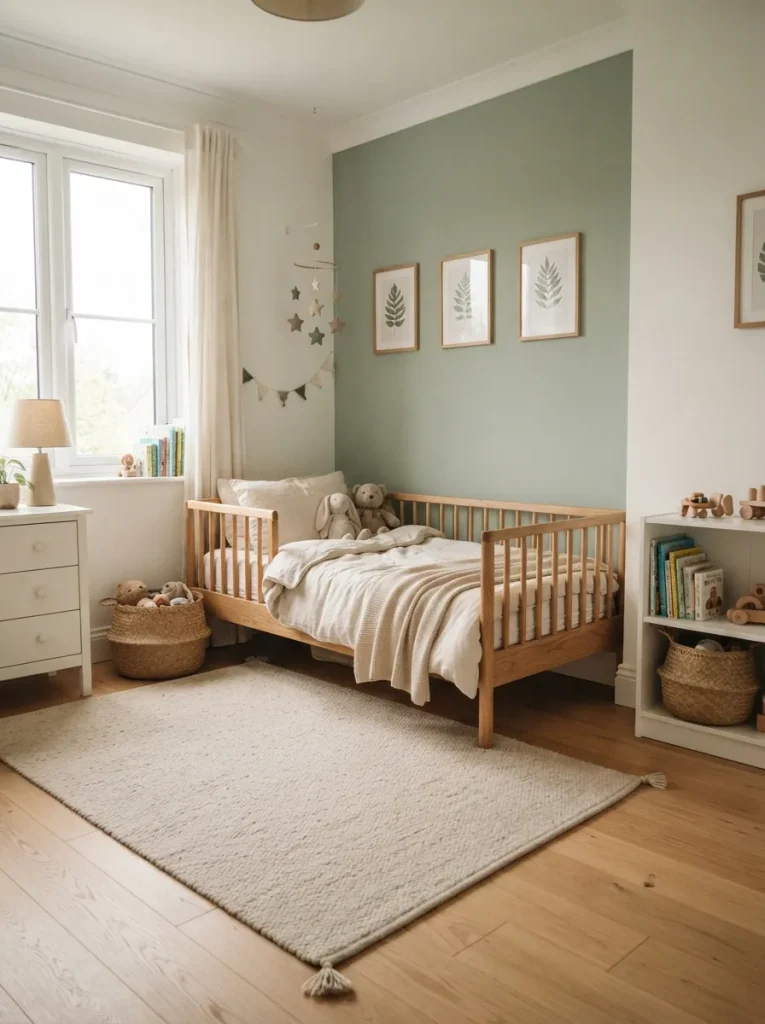
A soft pastel wall can instantly give a toddler’s bedroom a cheerful focal point without overwhelming the space. Try dusty blue, muted sage, warm blush, pale lavender, or creamy peach against otherwise neutral walls. Keep the furniture simple so the color remains the visual highlight rather than competing with everything else. A painted wall behind the bed works particularly well because it naturally defines the sleeping area. I’ve noticed that muted shades photograph beautifully in natural daylight, making the room feel brighter and more inviting while still maintaining a peaceful atmosphere for bedtime.
For a practical update, choose a durable, washable interior paint that can handle fingerprints and everyday marks. Before painting, test a small section because colors can appear dramatically different under morning, afternoon, and evening light. Repeat the chosen shade in one or two small details, such as a cushion, blanket, or framed print, to create balance. Avoid matching every accessory exactly; slight variations make the room feel more natural. This simple treatment is especially useful when decorating a rental or smaller bedroom because one accent wall can create definition without adding furniture or taking away valuable floor space.
5. Montessori Storage
- Low storage gives toddlers easier access to everyday belongings.
- Open baskets make cleanup simple and visually straightforward.
- A limited number of displayed toys reduces overwhelming clutter.
- Keep heavier items low and securely anchor tall furniture to the wall.
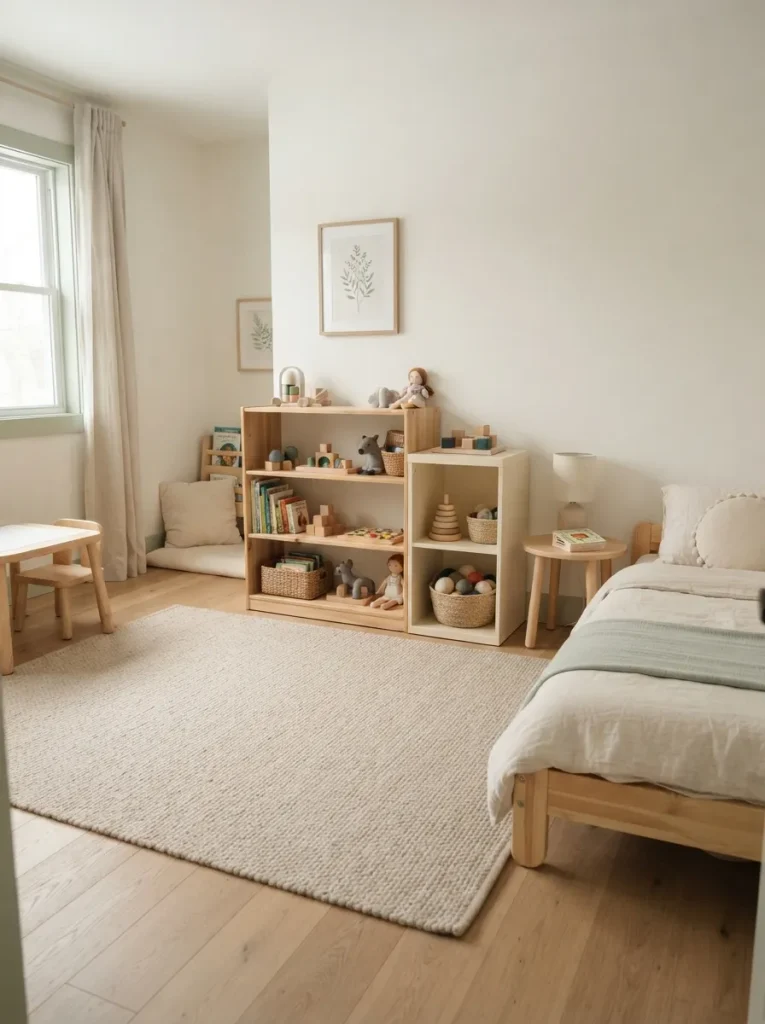
Smart storage can make a toddler’s bedroom feel calmer while quietly teaching useful everyday habits. Choose low shelves, open cubbies, and lightweight baskets that children can reach without climbing or stretching. Place frequently used toys at eye level and reserve higher spaces for adult-managed items. Natural wood, cream, and soft woven textures keep the storage visually warm instead of looking overly functional. One of the most useful Toddler Bedroom Ideas is creating a setup where children can see their belongings clearly. That simple visibility often makes choosing, playing, and putting toys away much easier.
A successful storage arrangement should reduce clutter without removing the playful character of the room. Use small baskets for categories such as blocks, dolls, cars, or art supplies, and avoid filling every compartment. Leaving some open space makes the bedroom look less crowded and allows favorite pieces to stand out. In my experience, rotating toys every few weeks can also make a familiar room feel fresh without buying more storage. Always secure shelving and cabinets firmly, and choose sturdy pieces with rounded edges. The result is an organized setup that supports independence while remaining attractive and practical.
6. Canopy Reading Tent
- A fabric canopy creates a cozy retreat without requiring much furniture.
- Neutral cotton or linen keeps the space light and breathable.
- Floor cushions make the corner comfortable for books and quiet play.
- Position the tent away from heaters, cords, and busy walking paths.
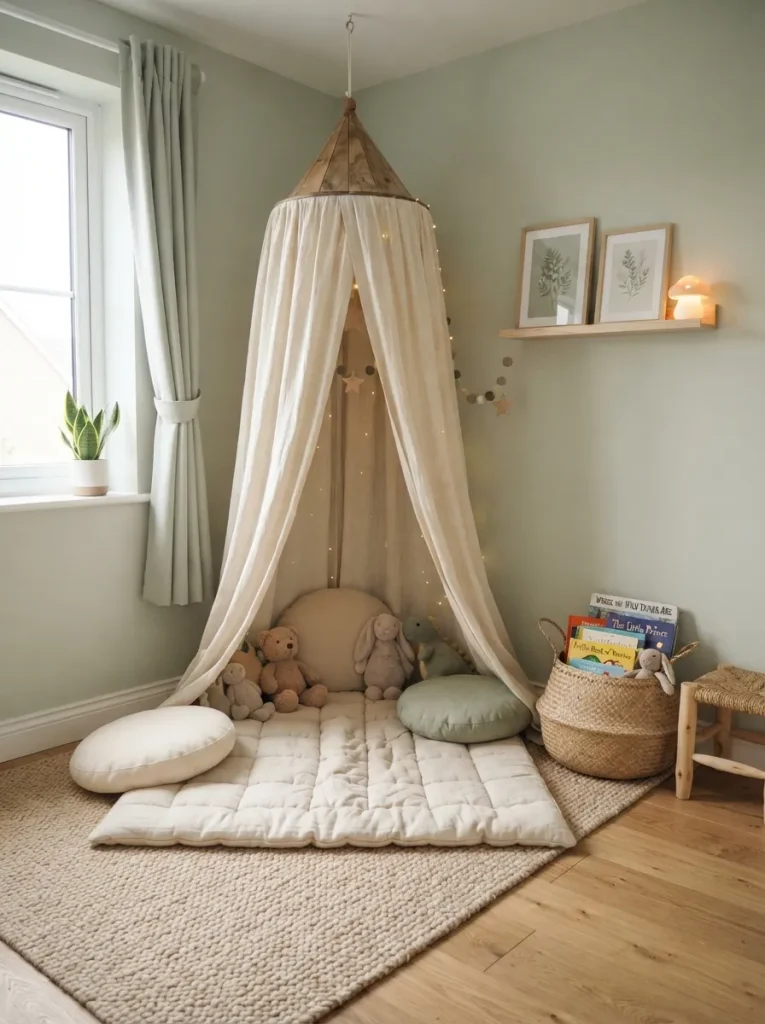
A simple canopy can transform an unused bedroom corner into a magical little retreat for books, quiet play, or afternoon downtime. Choose lightweight cotton or linen fabric in cream, oatmeal, dusty rose, or soft sage, then pair it with a comfortable floor cushion and a small basket of favorite books. Place the canopy beside a window if natural light is available, but avoid blocking the main walking route. Soft textures make the area feel inviting without adding visual clutter. I’ve seen simple fabric tents work especially well because they create a special zone while taking up very little space.
Keep the styling minimal so the canopy remains comfortable rather than becoming an oversized decoration. Add one washable cushion, a small blanket, and perhaps a few plush toys for softness. During daytime, natural light can make the fabric glow gently, while a nearby warm lamp can create a cozy atmosphere for evening reading. Check that the structure is stable and that cords or hanging elements remain safely out of reach. This small retreat can also adapt as children grow, eventually becoming a quiet corner for drawing, listening to stories, or relaxing independently.
7. Nature-Inspired Decor
- Natural materials bring warmth and softness into a toddler’s space.
- Wooden furniture pairs beautifully with leafy prints and earthy colors.
- A restrained palette keeps playful details from becoming visually overwhelming.
- Choose washable textiles for easier everyday maintenance.
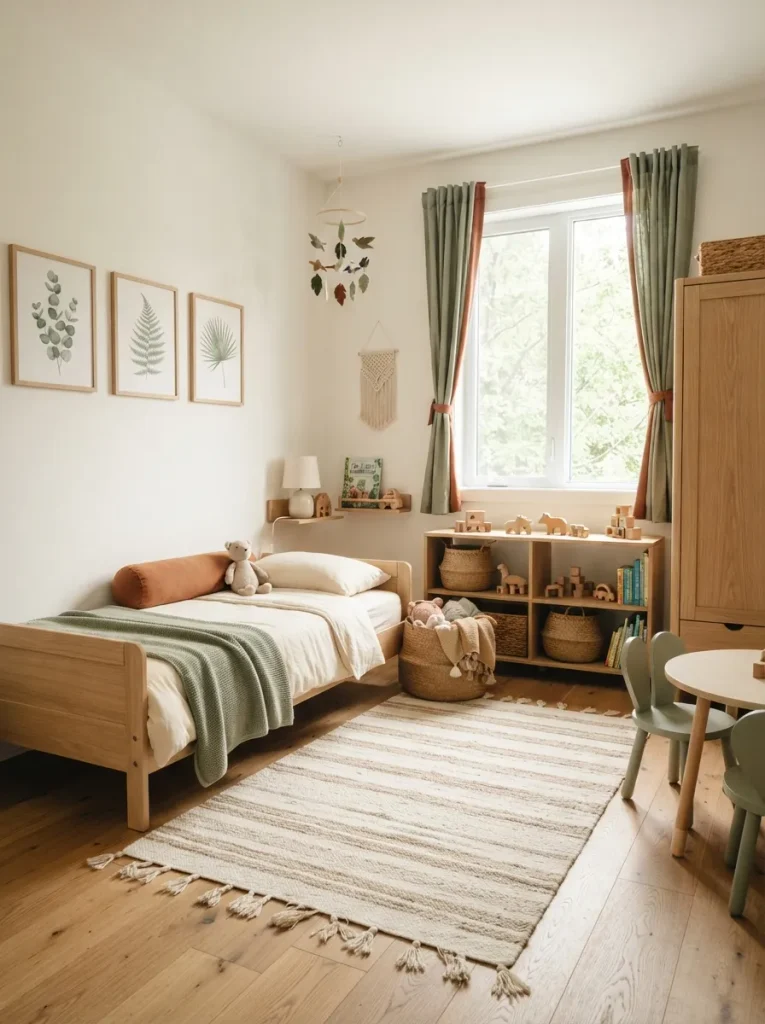
Bring the outdoors inside with natural textures, earthy colors, and simple botanical details that make the bedroom feel fresh and grounded. Start with light wood furniture, then layer in cream, warm beige, muted green, and soft terracotta through bedding, rugs, or artwork. Small nature-inspired prints can add personality without making the room feel themed or overly busy. For a toddler bedroom, this approach creates a gentle backdrop that works for both sleep and play. I’ve noticed that natural materials also photograph beautifully because their subtle textures add depth without requiring lots of decorative objects.
The key is to keep the nature theme understated and practical rather than filling the room with matching decorations. A woven basket, wooden stool, leaf-print cushion, or simple landscape artwork can provide enough character. Choose cotton or linen bedding where possible, and use washable rugs that can handle everyday messes. Keep larger furniture pieces neutral so they remain useful as your child grows. Soft daylight works particularly well with earthy shades, making the space feel warm and airy. The finished room feels connected to nature while remaining flexible enough for changing interests and routines.
8. Rainbow Wall Art
- Simple rainbow artwork adds playful color without requiring a themed makeover.
- Neutral furniture keeps colorful prints from dominating the room.
- Use removable prints for an easy update as preferences change.
- Repeat only a few artwork colors through small bedroom accessories.
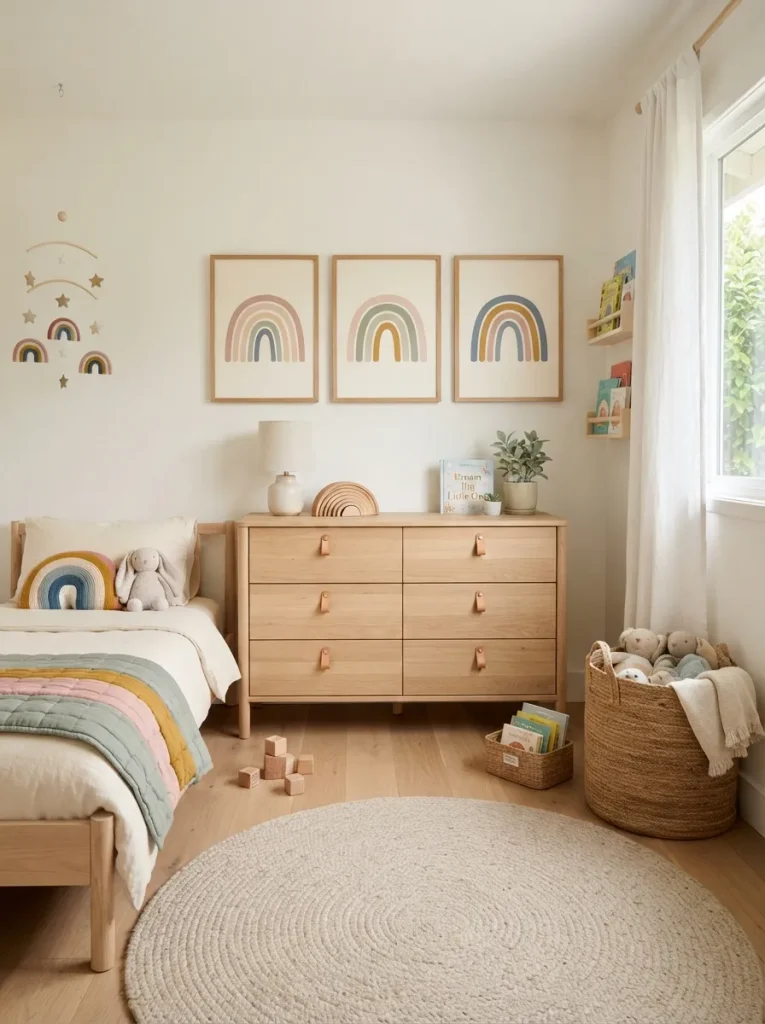
A few colorful rainbow prints can make a toddler’s bedroom feel playful without turning the entire space into a busy theme. Choose artwork with softened shades such as dusty pink, mustard, muted blue, sage, and warm cream rather than extremely bright primary colors. Hang two or three coordinated pieces above a low dresser or beside the bed to create a small gallery moment. This is one of those Toddler Bedroom Ideas that can change the mood of a room quickly. The artwork adds personality while keeping larger furniture pieces simple and adaptable.
Balance colorful wall art with calm surroundings so the room remains comfortable for both active play and rest. A cream wall, natural wood furniture, and neutral bedding provide an easy backdrop for playful prints. Use matching colors sparingly in cushions or a small rug instead of repeating every shade throughout the room. If your toddler’s interests change frequently, removable prints or lightweight framed artwork make updates simple. Keep frames securely attached and positioned safely out of reach. The result is a cheerful focal point that feels personal now but can easily evolve later.
9. Cozy Window Seat
- A window seat turns unused space into a comfortable reading or resting area.
- Cushioned upholstery adds softness while creating a defined activity zone.
- Neutral fabrics keep the feature timeless and easy to coordinate.
- Use secure window treatments and avoid climbable furniture near unsafe windows.
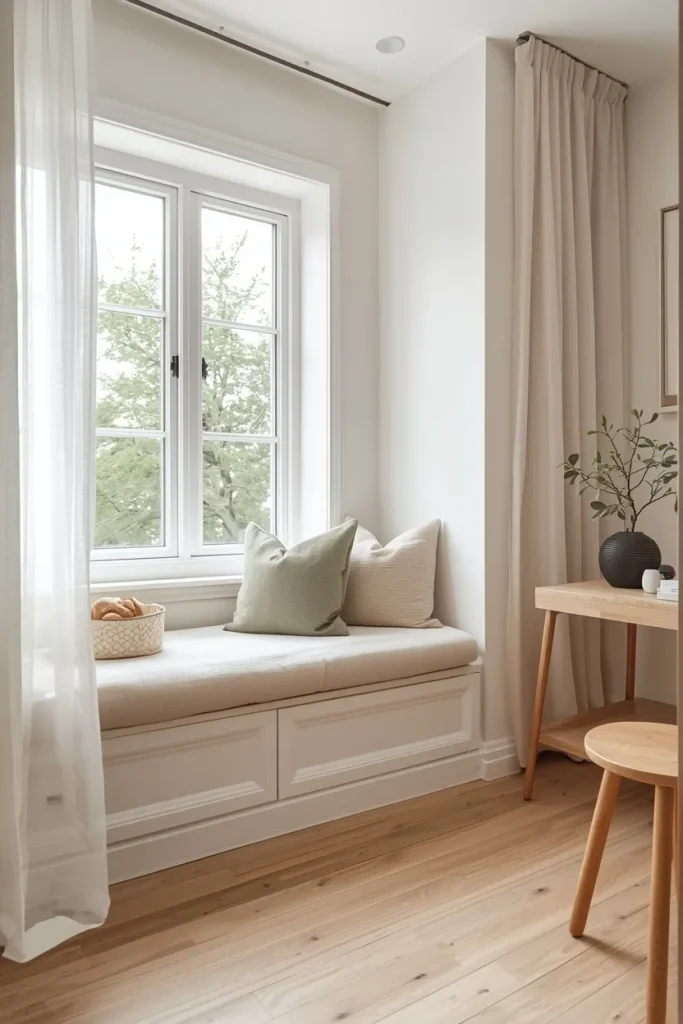
A cozy window seat can turn an overlooked corner into one of the most useful features in a toddler’s bedroom. Begin with a sturdy low bench or built-in seat, then add a washable cushion in cream, oatmeal, or soft beige. A few colorful pillows can make the space playful without overwhelming the room. Natural daylight makes the nook especially inviting during mornings and afternoons. Place a small book basket beside the seat so favorite stories are always close. In my experience, dedicated little corners like this often become favorite spots because they give children a comfortable place to pause.
Think of the window seat as a flexible zone rather than furniture used only for reading. It can become a quiet place for puzzles, looking through picture books, listening to stories, or simply relaxing after active play. Keep the surrounding area uncluttered so the seat remains visually open and easy to access. Choose durable, removable covers whenever possible because spills and fingerprints are part of toddler life. Most importantly, follow appropriate window-safety practices and avoid placing climbable objects near windows. With thoughtful planning, the nook adds charm, storage, comfort, and practical everyday function.
10. Toy Rotation Shelves
- Display only a few toys at a time to reduce visual clutter.
- Rotating items keeps playtime interesting without buying more toys.
- Open shelves make favorite toys easy to see and reach.
- Fewer visible items create a calmer and more organized room.
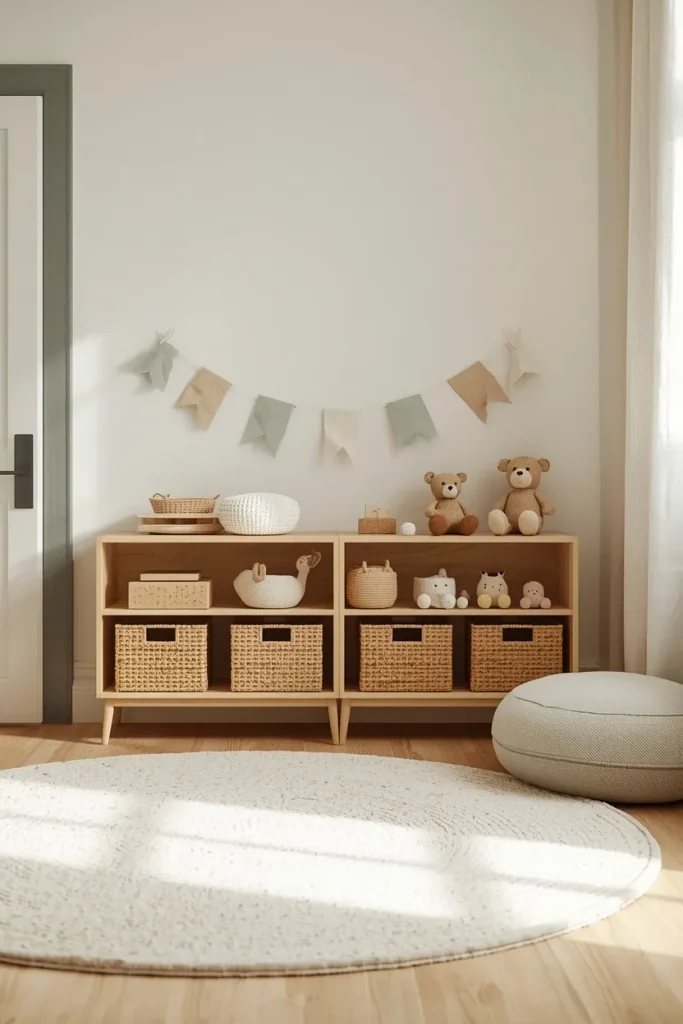
Sometimes the simplest change makes the biggest difference, and toy rotation shelves are a great example. Instead of displaying every toy at once, keep only a small collection on low open shelves and store the rest elsewhere. Natural wood shelving paired with woven baskets keeps the room feeling warm rather than overly practical. I’ve noticed that toddlers often engage more deeply when fewer choices are available because the space feels less overwhelming. This setup also makes daily cleanup easier and helps maintain a calm atmosphere, especially in smaller bedrooms where every square foot matters.
The goal is to create an environment that feels intentional instead of crowded. Rotate toys every few weeks to refresh the room without purchasing anything new. Place puzzles, books, blocks, and pretend-play items in separate baskets for simple organization. Keep shelves at toddler height so children can make independent choices safely. Neutral walls and soft textiles help balance colorful toys and prevent the room from looking too busy. This practical approach supports creativity while making the bedroom easier for parents to maintain, and it adapts easily as children grow and their interests change.
11. Animal Theme Gallery
- Small animal prints add personality without creating a heavy theme.
- Neutral frames keep the display soft and timeless.
- Mix artwork sizes for a more natural look.
- Keep the gallery simple so it does not overpower the room.
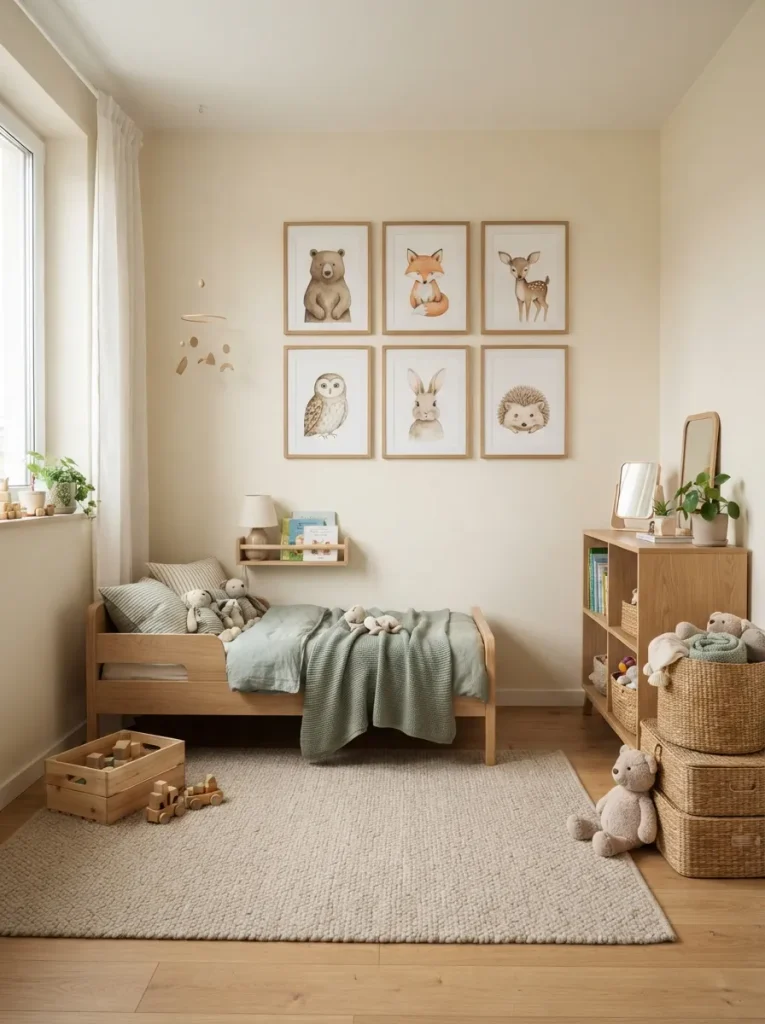
A charming animal gallery wall can bring warmth and personality into a toddler’s room without making it feel overly themed. Choose soft illustrations of woodland creatures, safari animals, or gentle watercolor designs in muted shades. Arrange three to five framed prints above a dresser, reading nook, or bed to create a balanced focal point. One of the best Toddler Bedroom Ideas is using artwork to add character while keeping furniture simple and practical. Soft colors paired with natural wood and neutral textiles help the room stay calm, even with playful decorative details.
The secret is to treat artwork as an accent rather than the main feature of the room. Mix frame sizes slightly, but keep colors coordinated for a polished look. Lightweight frames or removable prints also make future updates easy as interests change. I’ve seen this work well in many homes because artwork adds personality without requiring major decorating changes. Pair the gallery with one or two matching accessories, such as a cushion or small plush toy, for subtle continuity. The result is a space that feels playful, stylish, and easy to adapt over time.
12. Under-Bed Storage
- Hidden storage keeps the room tidy without adding bulky furniture.
- Rolling bins make access easier for both parents and toddlers.
- Store seasonal items, extra bedding, or less-used toys underneath.
- Matching containers create a cleaner overall look.
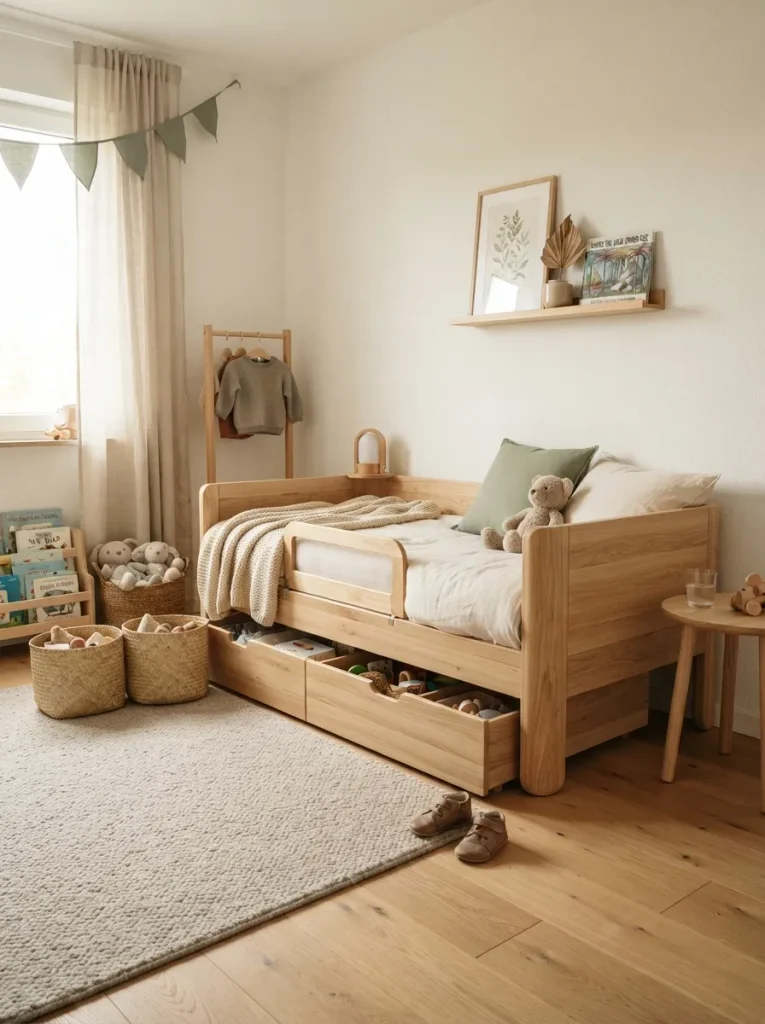
A bed with hidden storage underneath can make a small toddler bedroom feel surprisingly spacious. Rolling bins, pull-out drawers, or soft fabric containers provide a practical place for extra toys, bedding, or seasonal items without adding another cabinet. Choose storage pieces in neutral tones that blend with the room instead of standing out visually. I’ve noticed that hidden storage often helps rooms stay tidier because everyday clutter has a clear home. This idea works especially well in compact spaces where floor area is limited but organized storage is still essential.
The best under-bed storage systems are easy to use and simple to maintain. Clear labels or categories can help adults keep everything organized while reducing the time spent searching for items. Avoid overfilling containers so they remain easy to slide in and out. Pair the storage with a soft rug and open floor space to maintain a balanced layout. That’s why many designers recommend combining hidden storage with minimal furniture, especially in children’s rooms. It creates a cleaner look while keeping important items close at hand and preserving valuable space for play.
13. Neutral Woodland Theme
- Earthy neutrals create a peaceful backdrop for sleep and play.
- Woodland artwork adds charm without making the room feel overly themed.
- Natural wood furniture works beautifully with beige and muted green.
- Keep patterns simple so the room remains visually calm.
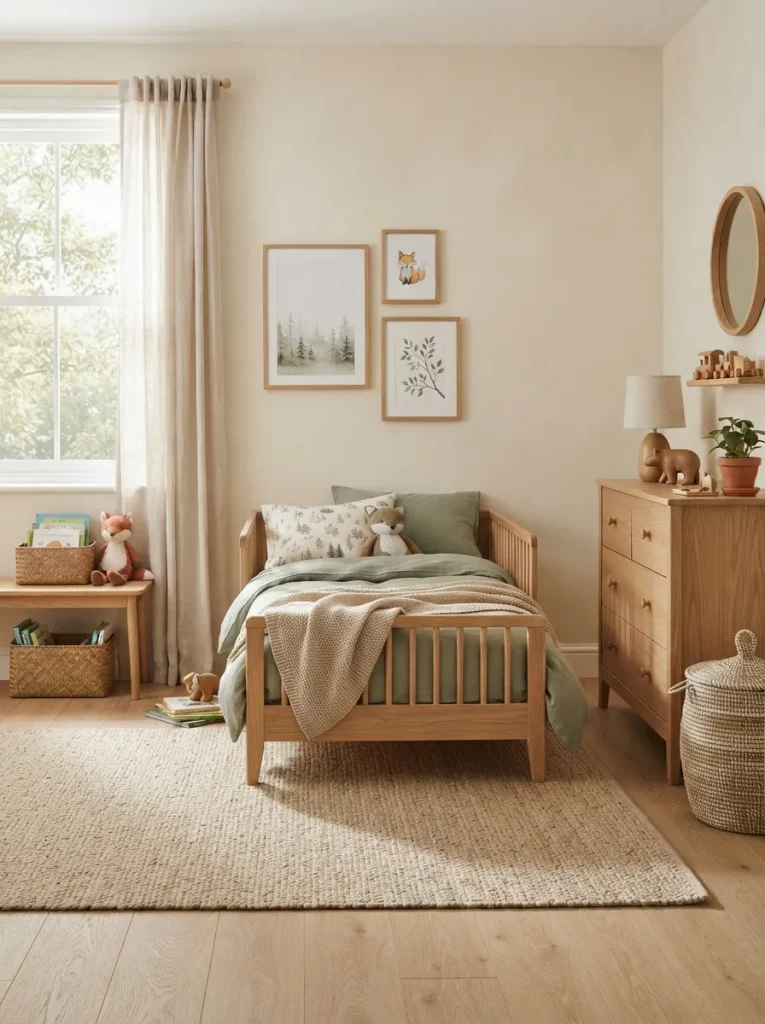
A neutral woodland theme creates a cozy toddler bedroom that feels playful without becoming visually overwhelming. Start with warm white or creamy beige walls, then layer natural wood furniture, soft sage accents, and small woodland illustrations. Think foxes, bears, trees, mushrooms, or simple forest shapes rather than oversized character prints. The result feels gentle and timeless while still giving the room a distinct personality. I’ve noticed that earthy palettes are particularly easy to work with because they hide everyday wear better than very pale, stark colors while creating a warm foundation for colorful toys.
Keep the woodland theme subtle by repeating only two or three recognizable elements throughout the space. A leaf-print blanket, animal cushion, woven basket, or framed forest illustration can provide enough character without turning every surface into a themed display. Choose cotton, linen, wool-look textures, and unfinished or lightly finished wood to enhance the natural feeling. Leave plenty of open floor space for movement and play. As your child gets older, the same neutral foundation can easily accommodate new artwork, bedding, or accessories without requiring a complete bedroom makeover.
14. Cozy Floor Cushions
- Floor cushions create flexible seating without adding bulky chairs.
- Washable covers make them practical for everyday toddler use.
- Different sizes can define a small reading or play area.
- Keep colors coordinated for a polished Pinterest-friendly look.
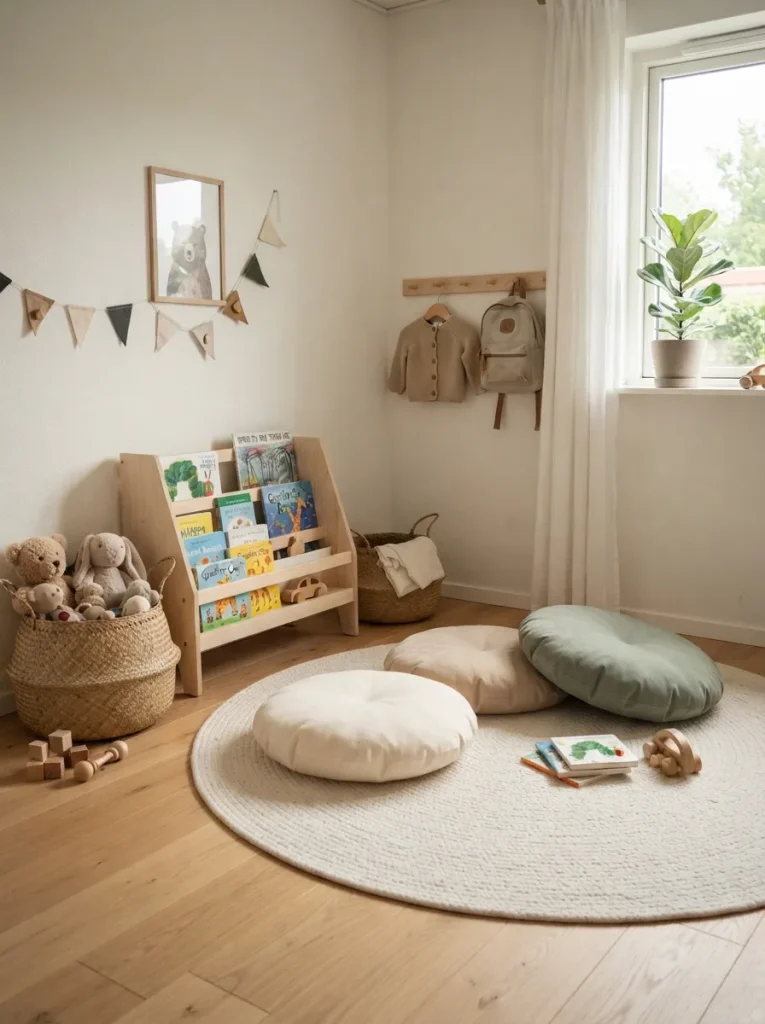
Soft floor cushions can instantly make a toddler’s room feel more relaxed while giving the space flexible seating for books, puzzles, and quiet play. Choose two or three cushions in different sizes, using warm beige, cream, muted sage, or dusty peach for a coordinated palette. Place them on a washable round rug near a bookshelf or play basket to create a defined activity area. This setup takes up very little space and can be moved whenever the room needs a quick reset. In my experience, flexible pieces like these are especially useful in bedrooms that serve several purposes.
Look for sturdy cushions with removable, washable covers because toddler spaces naturally experience spills, crumbs, and plenty of everyday activity. A small basket beside the cushions can hold books or soft toys, keeping the corner organized without making it feel formal. Avoid filling the floor with too many pieces; two or three cushions are usually enough to create a comfortable zone. Pairing soft seating with natural textures and simple colors keeps the room visually balanced. The finished corner feels inviting while remaining easy to rearrange as your child’s activities change.
15. Convertible Furniture
- Adaptable furniture can reduce the need for frequent replacements.
- A convertible bed or changing unit can serve multiple stages.
- Neutral finishes make larger pieces easier to reuse.
- Choose sturdy construction and child-safe rounded edges.
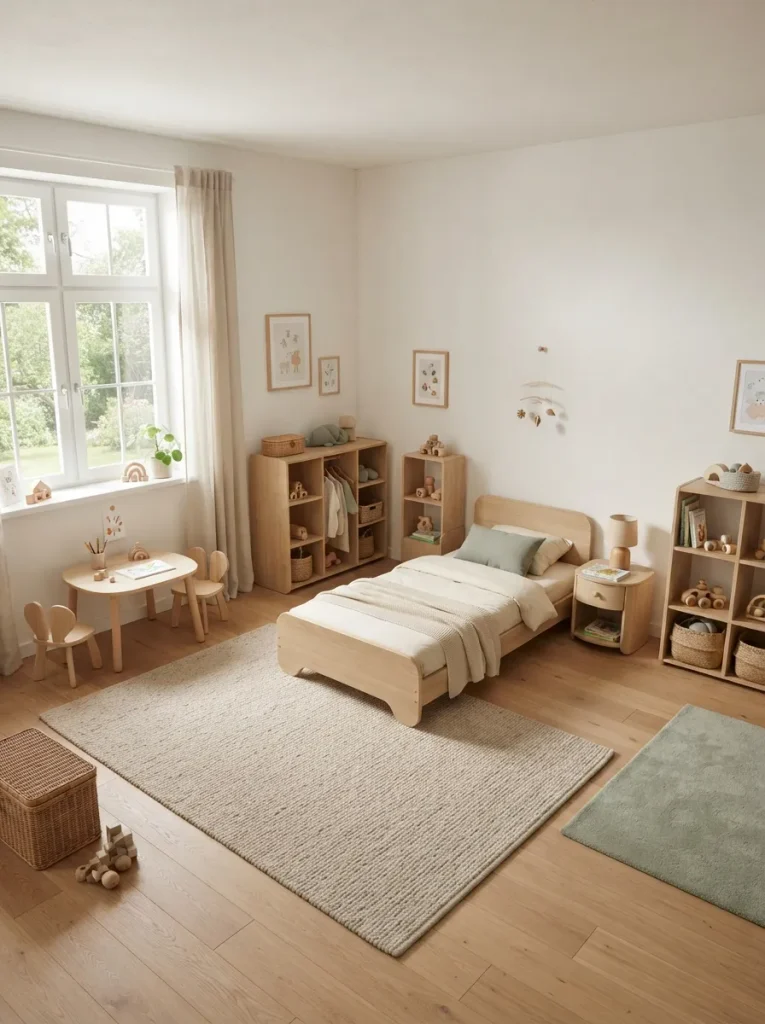
Furniture that adapts as your child grows can make a toddler bedroom more practical and budget-friendly. Consider a convertible bed, adjustable shelving, or a dresser that can continue serving a useful purpose for several years. Natural wood and neutral finishes are particularly versatile because they work with changing bedding, artwork, and color preferences. Instead of choosing furniture based only on how cute it looks today, think about how it will function later. That forward-thinking approach can make a bedroom easier to update while reducing the need for major furniture changes.
Choose adaptable pieces carefully, paying attention to sturdy construction, secure hardware, rounded edges, and the manufacturer’s age recommendations. A neutral dresser can later become a regular storage unit, while adjustable shelves can accommodate books, crafts, or larger belongings as needs change. Keep the overall room layout flexible by avoiding oversized furniture that limits movement. I’ve seen versatile pieces make a noticeable difference in family homes because they allow small decorating updates to create a completely different feel. The bedroom stays useful, attractive, and comfortable through several stages of childhood.
16. Soft Color Blocking
- Color blocking adds personality without relying on busy patterns.
- Two complementary shades can visually separate sleeping and play zones.
- Muted tones keep the room calm and easy to style.
- Paint can be used on one wall or in simple geometric sections.
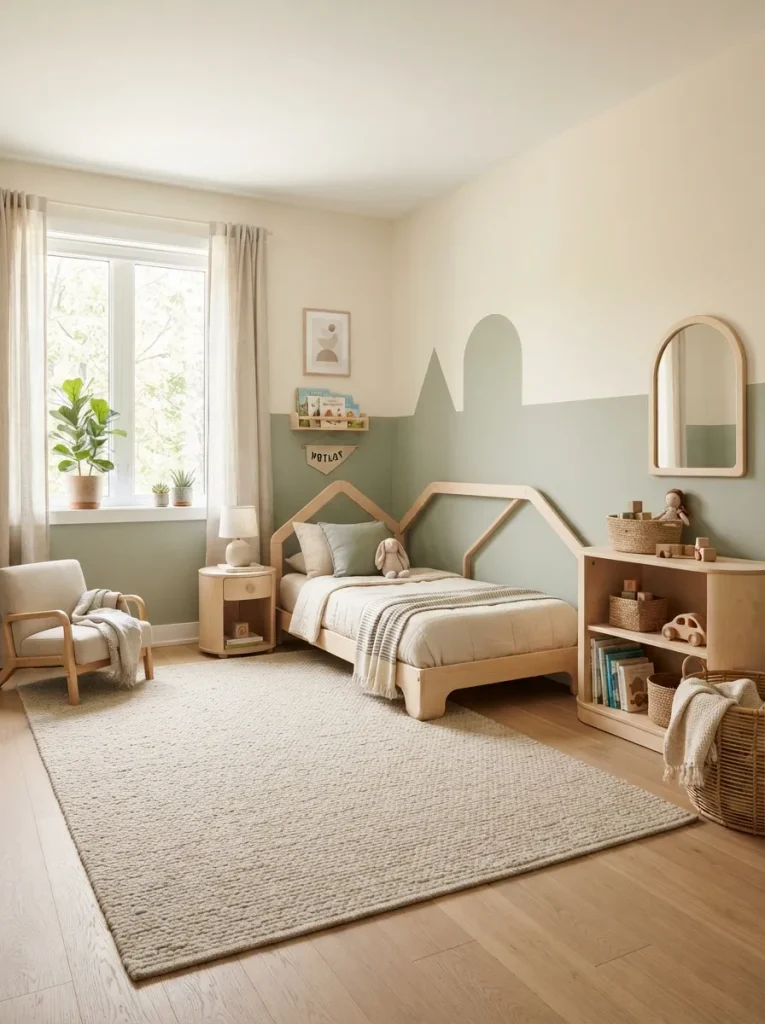
Soft color blocking creates a playful backdrop while keeping a toddler’s bedroom visually organized. Instead of covering every wall with patterns, combine two gentle shades such as warm cream and dusty blue, muted sage and beige, or pale peach and ivory. Use one color behind the bed and another around a small play zone to create subtle visual separation. This technique works particularly well in smaller rooms because it adds dimension without taking up floor space. Keep furniture neutral so the wall treatment remains the main decorative feature without making the room feel crowded.
For a polished result, choose colors with similar intensity rather than pairing one very bright shade with a muted neutral. Simple arches, half walls, vertical blocks, or softly painted geometric shapes can create interest while remaining easy to live with. Repeat one accent color in a cushion or artwork for visual continuity. If you prefer temporary changes, removable wall decals can provide a similar effect. I’ve noticed that restrained color blocking photographs especially well because it creates clear shapes and contrast while preserving the airy, uncluttered feeling that works beautifully in children’s spaces.
17. Woven Storage Baskets
- Woven baskets add texture while keeping everyday toys contained.
- Different basket sizes can organize books, stuffed animals, and blankets.
- Natural fibers complement wood furniture and neutral colors.
- Place frequently used baskets low for easier independent cleanup.
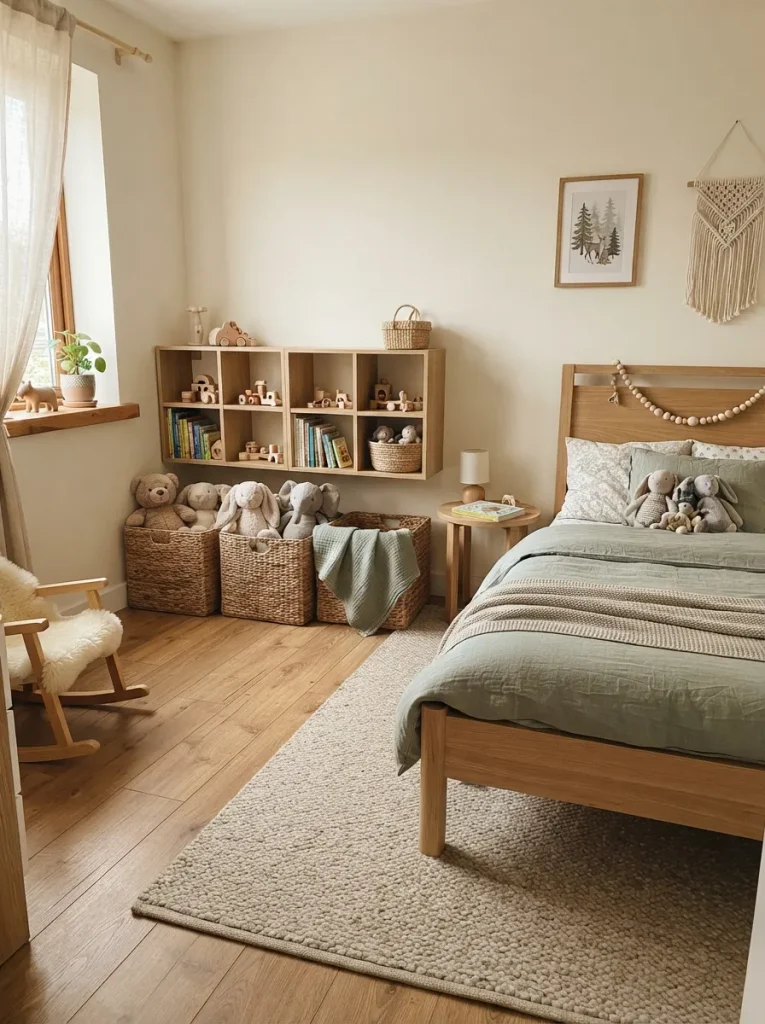
Woven baskets are one of the easiest ways to combine attractive storage with everyday practicality in a toddler’s bedroom. Use large baskets for stuffed animals and blankets, medium baskets for toys, and smaller containers for books or accessories. Natural seagrass, rattan, cotton rope, or soft woven materials bring texture to a room filled with smooth furniture. Position them beneath shelves, beside a reading corner, or along an empty wall. The baskets keep colorful toys contained while adding warmth, making the bedroom feel organized without looking overly structured or formal.
Choose baskets with sturdy construction and smooth finishes, especially when they will be handled frequently by young children. Avoid overcrowding them because an overflowing basket can quickly make a room look messy. Grouping two or three baskets together creates a more intentional display while maintaining easy access. Neutral shades such as oatmeal, tan, cream, and natural brown coordinate with almost any bedroom palette. This small storage upgrade can make cleanup faster for parents and easier for toddlers, while the natural texture adds the cozy, handcrafted detail that performs beautifully in Pinterest-style room inspiration.
18. Soft Night Lighting
- Gentle lighting can make the transition to bedtime feel more relaxing.
- Warm lamps create a cozy atmosphere without overpowering the room.
- A small table lamp can add function and decorative warmth.
- Keep cords secured and lighting fixtures safely positioned away from reach.
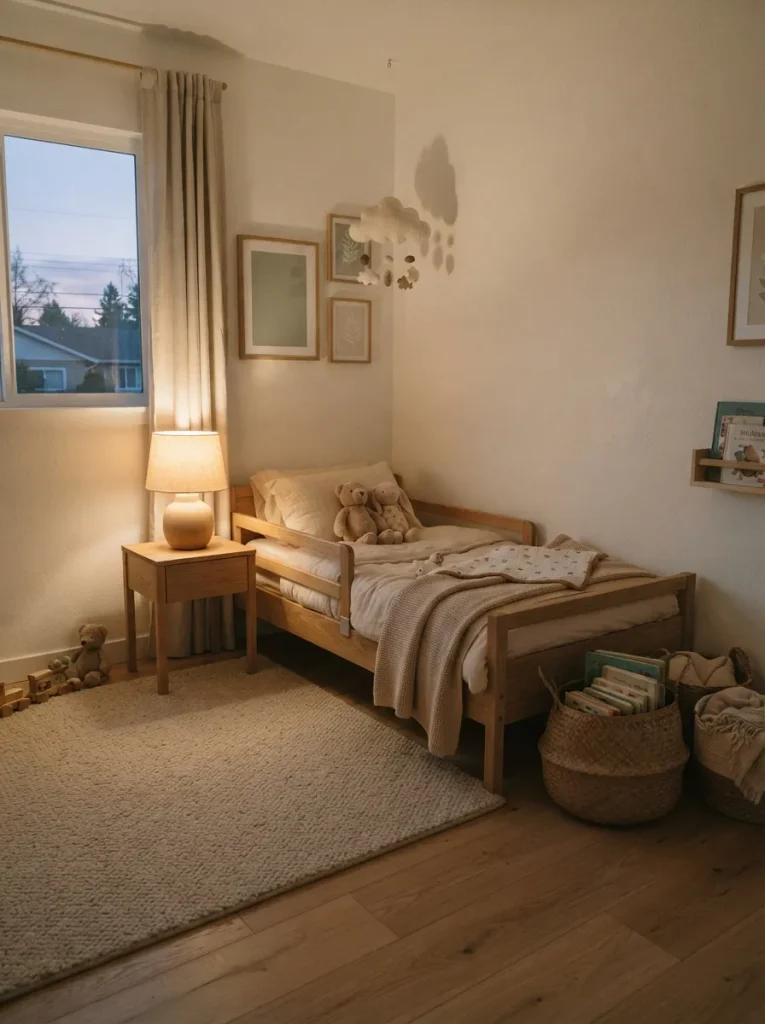
The right nighttime lighting can completely change how a toddler’s bedroom feels after sunset. Replace harsh overhead brightness with a warm table lamp, wall light, or appropriately positioned soft-glow fixture that creates gentle illumination around the sleeping area. Warm white walls, cream bedding, and natural wood furniture reflect the glow beautifully, making the room feel calm without looking dark or gloomy. A small lamp beside a reading chair can also support a predictable bedtime routine. In my experience, layered lighting makes children’s rooms feel more comfortable because the brightness can be adjusted according to different activities.
Think about lighting as part of the room’s overall design rather than an afterthought. During the day, rely primarily on natural daylight and keep decorative lamps understated. In the evening, use one soft source for reading and a separate low-level light if needed for gentle visibility. Avoid exposed hot bulbs, dangling cords, or fixtures within a toddler’s reach. Choose durable materials and follow manufacturer safety instructions for every light. The result is a bedroom that transitions smoothly from active daytime play to a peaceful nighttime environment without sacrificing style or practicality.
19. Cloud-Themed Bedding
- Cloud-inspired bedding adds a playful touch without requiring a full room theme.
- White, cream, and pale blue create a fresh and peaceful palette.
- Simple patterns keep the sleeping area visually calm.
- Choose soft, washable fabrics for practical everyday use.
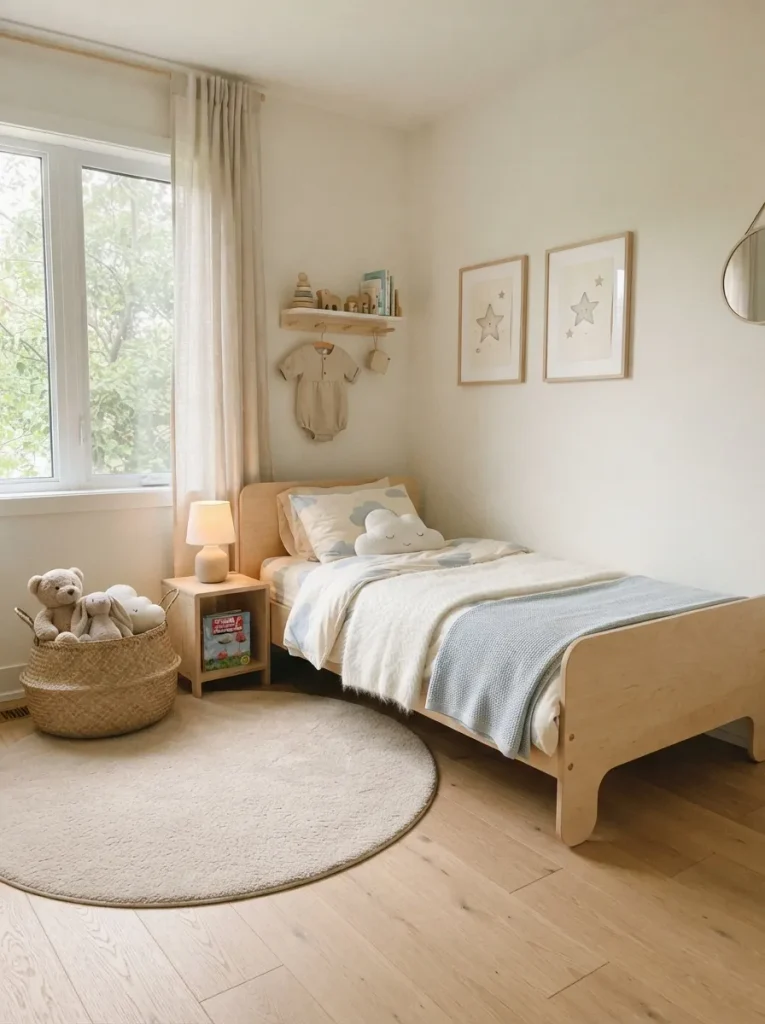
Cloud-themed bedding can make the sleeping area feel dreamy while keeping the rest of the room simple and versatile. Look for subtle clouds, stars, moons, or soft blue details against a cream or white background rather than overly busy character prints. Pair the bedding with natural wood furniture, a textured beige rug, and simple wall art to create a balanced look. This approach adds personality exactly where it matters most without requiring a complete themed makeover. The soft palette also works beautifully with natural daylight, making the bedroom feel bright, airy, and comfortable throughout the day.
For everyday practicality, choose breathable bedding with washable covers and materials that feel comfortable against sensitive skin. Keep extra blankets in a nearby basket so the bed can be adjusted easily as temperatures change. If the cloud pattern is the main visual detail, avoid adding several competing motifs around the room. A pale blue cushion or small star print can be enough to connect the theme subtly. As your toddler grows, the bedding can be replaced without changing the furniture or wall color, making this a simple and affordable way to refresh the room.
20. Personalized Name Wall
- A name display makes the room feel personal without adding unnecessary clutter.
- Wooden letters or simple framed lettering create a timeless focal point.
- Keep the surrounding wall neutral so the name remains easy to notice.
- Secure decorative pieces properly and keep them away from the sleeping area.
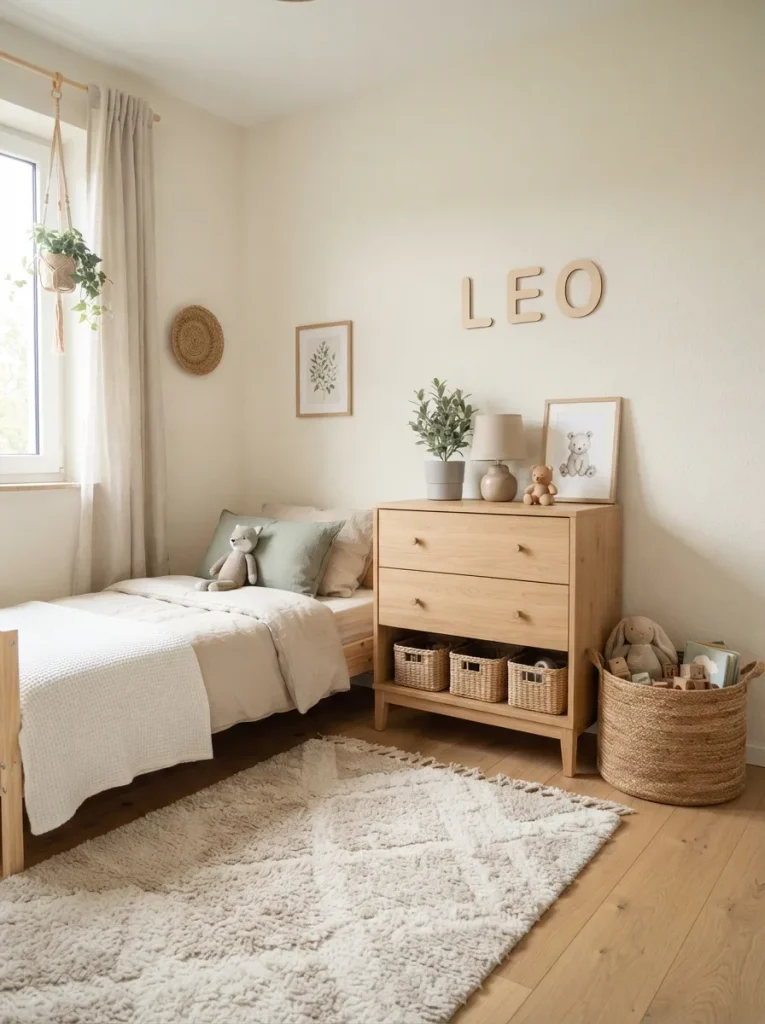
A personalized name wall can give a toddler’s bedroom a special finishing touch while keeping the overall design clean and timeless. Use simple wooden letters, neutral framed lettering, or a small custom sign above a dresser or reading corner. Choose natural wood, cream, muted sage, or soft pastel tones that complement the existing palette rather than competing with it. Personal details like this make the room feel intentionally designed for one child while remaining easy to update later. For a cohesive result, repeat one color from the lettering somewhere nearby through a cushion, artwork, or small decorative accent.
Keep personalization restrained so the bedroom still feels spacious and adaptable. One name display is usually enough to create a strong focal point without covering the walls with decorations. Place it securely and consider its position carefully, avoiding areas where loose pieces could become accessible during climbing or active play. Pair the lettering with simple artwork, a low dresser, and a woven basket for a polished arrangement. I’ve noticed that personalized details often make children’s spaces feel more meaningful without requiring expensive decor, especially when the rest of the room uses timeless materials and flexible furniture.
Conclusion
Creating a beautiful toddler bedroom doesn’t require a complete makeover or expensive furniture. Small changes such as better storage, softer lighting, a cozy reading corner, or playful wall art can completely transform how the space looks and functions. The best Toddler Bedroom Ideas are those that support real family routines while still giving your child a room that feels special and inviting. I’ve seen how thoughtful details can make everyday spaces feel more comfortable and organized. Save this article on Pinterest for your next decorating project, try your favorite ideas at home, and share it with another parent looking for inspiration.