
How To Grow Ginger (Step-by-Step Guide)
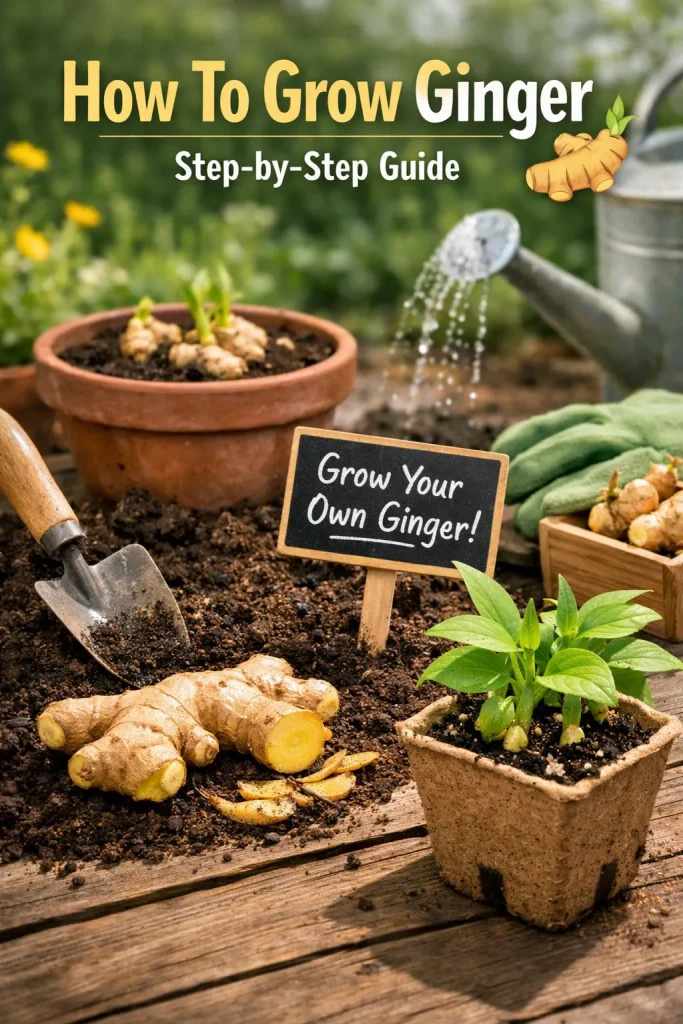
How To Grow Ginger (Step-by-Step Guide)
Introduction
Have you ever bought a piece of fresh ginger from the kitchen store and wondered, “Could I actually grow this at home?” The answer is yes—and it’s easier than most people think. Ginger is one of those plants that looks exotic but is surprisingly beginner-friendly. If you’ve got a small garden, a balcony, or even a sunny windowsill, you can grow your own ginger with very little effort.
I still remember the first time I planted ginger. I had a leftover piece in my kitchen, and instead of tossing it, I decided to try planting it in a pot. A few weeks later, green shoots appeared, and honestly, it felt like magic. Since then, growing ginger at home has become one of my favorite gardening projects.
In this friendly guide, we’ll walk through how to grow ginger step by step, from choosing the right root to harvesting fresh ginger months later. Ready to turn that grocery store ginger into a thriving plant? Let’s get started.
Understanding Ginger Before You Plant
Before planting anything, it helps to know what you’re working with. Ginger isn’t grown from seeds like many plants. Instead, it grows from a rhizome, which is basically a thick underground stem.
What Makes Ginger Easy to Grow?
Here’s why ginger gardening is beginner-friendly:
- It grows well in containers or garden beds
- It doesn’t require full sunlight
- It thrives in warm, humid conditions
- It can regrow from store-bought ginger
In other words, if you enjoy home gardening, ginger is a fantastic plant to try.
Best Climate for Growing Ginger
Ginger loves warm temperatures and moisture. Ideally, it grows best in:
- Temperatures between 20–30°C (68–86°F)
- Partial shade
- Rich, well-drained soil
If you live in a cooler region, don’t worry. You can easily grow ginger indoors in a pot.
Step 1: Choose the Right Ginger Root
The first step in growing ginger is selecting a healthy rhizome.
Look for ginger that is:
- Plump and firm
- Has several small growth buds (“eyes”)
- Free from mold or wrinkles
These little buds are where new shoots will grow.
Pro Tip
Organic ginger is usually the best choice. Why? Because some commercial ginger is treated with chemicals to prevent sprouting.
So if you want a successful ginger plant, organic is the way to go.
Step 2: Prepare the Ginger for Planting
Once you have your ginger root, it’s time to prepare it.
Cutting the Rhizome
If your ginger is large, you can cut it into pieces. Each piece should have at least one or two buds.
Steps:
- Cut the ginger into chunks about 2–3 inches long
- Make sure each piece has visible buds
- Let the pieces dry for 24 hours
Drying helps prevent rotting after planting.
FYI, this step makes a huge difference for beginners.
Step 3: Choose the Right Container or Garden Spot
Ginger roots spread horizontally. That means they prefer wide, shallow containers instead of deep pots.
Ideal Container for Growing Ginger
Choose a pot that is:
- 12–16 inches wide
- At least 8–10 inches deep
- Has good drainage holes
If you’re planting outdoors, pick a spot with partial shade.
Ginger doesn’t enjoy intense afternoon sun.
Step 4: Prepare the Soil
Healthy soil is the secret to strong ginger growth.
The best soil mix should be:
- Rich in organic matter
- Loose and well-draining
- Slightly moist but not soggy
Simple Soil Mix Recipe
You can create an excellent soil mix by combining:
- 40% garden soil
- 40% compost
- 20% sand or coco peat
This mixture keeps the roots moist while preventing water buildup.
IMO, compost makes a massive difference in ginger growth.
Step 5: Plant the Ginger
Now comes the fun part—planting!
How to Plant Ginger
Follow these steps:
- Fill your container with prepared soil.
- Place ginger pieces buds facing upward.
- Cover them with 1–2 inches of soil.
- Water lightly after planting.
That’s it! Your ginger is officially planted.
Don’t expect instant growth though. Ginger usually takes 2–3 weeks to sprout.
Step 6: Watering and Care
Once planted, ginger needs consistent care to thrive.
Watering Tips
Ginger likes moist soil, but not waterlogged soil.
Best watering practices:
- Water 2–3 times per week
- Keep soil slightly damp
- Avoid standing water
Too much water can cause root rot.
So keep it balanced.
Light Requirements
Ginger grows best in:
- Partial sunlight
- Bright indirect light
- Light shade
Direct afternoon sunlight can stress the plant.
Step 7: Fertilizing the Plant
To get healthy growth, your ginger plant needs nutrients.
Natural Fertilizer Options
You can feed ginger with:
- Compost
- Liquid seaweed fertilizer
- Organic vegetable fertilizer
Apply fertilizer every 4–6 weeks.
This helps the plant produce larger rhizomes underground.
And yes, bigger rhizomes mean more ginger at harvest time.
Step 8: Mulching for Better Growth
Mulching helps keep moisture in the soil.
It also protects ginger roots from extreme temperatures.
Good Mulch Options
You can use:
- Dry leaves
- Straw
- Grass clippings
- Coconut husk
Spread mulch around the base of the plant.
This simple trick helps ginger grow stronger and healthier.
Step 9: Watching the Plant Grow
After a few weeks, you’ll start seeing green shoots emerging from the soil.
These shoots grow into tall, leafy stems that look a bit like bamboo.
What to Expect During Growth
- Shoots appear in 2–3 weeks
- Leaves grow taller over 2–3 months
- Roots expand underground
Patience is key here.
Ginger grows slowly, but it rewards you later.
Step 10: Harvesting Ginger
The best part of growing ginger at home is harvesting fresh roots.
When to Harvest
You can harvest ginger in two ways:
Early harvest (baby ginger)
Ready in about 4–5 months.
Full harvest
Ready in 8–10 months.
How to Harvest
Steps:
- Gently dig around the plant.
- Cut off the amount of ginger you need.
- Leave the rest in the soil to keep growing.
This means you can harvest multiple times from the same plant.
Pretty cool, right? 🙂
Common Ginger Growing Mistakes
Even easy plants have pitfalls.
Here are mistakes beginners should avoid.
1. Overwatering
Too much water leads to root rot.
Always ensure good drainage.
2. Poor Soil
Dense soil prevents rhizomes from expanding.
Loose soil is essential.
3. Too Much Sun
Direct sunlight can burn ginger leaves.
Partial shade works best.
4. Planting Treated Ginger
Some store ginger is treated to stop sprouting.
Choose organic ginger when possible.
Benefits of Growing Ginger at Home
Besides the fun of gardening, there are real benefits.
Fresh and Organic
Homegrown ginger is:
- Free from chemicals
- Freshly harvested
- More flavorful
Saves Money
One ginger root can produce multiple harvests.
That means fewer grocery trips.
Health Benefits
Ginger is widely known for:
- Supporting digestion
- Reducing nausea
- Boosting immunity
Having fresh ginger at home is incredibly convenient.
Conclusion
Growing ginger at home is one of the easiest and most rewarding gardening projects you can try. With the right root, good soil, and a bit of patience, you can turn a simple piece of ginger into a thriving plant.
To recap:
- Choose healthy ginger rhizomes
- Plant them in wide containers with rich soil
- Keep the soil moist and shaded
- Fertilize occasionally
- Harvest after 4–10 months
Before you know it, you’ll be harvesting fresh ginger straight from your garden.
So why not give it a try? The next time you see ginger in your kitchen, don’t just cook with it—plant it. Who knows, it might become your new favorite gardening project. 🌱