
Choose the Right Trellis for Your Vegetables .
Introduction
Ever planted climbing vegetables and then watched them flop all over the ground like they’ve completely given up on life? Yeah… we’ve all been there. Choosing the right trellis for your vegetables can literally make the difference between a messy garden and a thriving, Pinterest-worthy setup.
Choose the Right Trellis for Your Vegetables.
I still remember my first attempt at growing cucumbers. No trellis, no plan—just chaos. The plants tangled, fruits rotted, and I learned the hard way that support matters—a LOT. If you’re here, you’re already ahead of where I was.
So let’s talk trellises—what works, what doesn’t, and how to pick the perfect one for your garden without overthinking it.
Why Your Vegetables Need a Trellis
Better Growth and Health
Climbing plants like beans, cucumbers, and tomatoes naturally want to grow upward. When you give them a trellis, they:
- Get better airflow, reducing diseases
- Stay off the soil, preventing rot
- Grow straighter and cleaner fruits
Think about it—would you rather lie in mud or stretch toward sunlight? Your plants agree.
Space-Saving Magic
Got a small garden? No problem.
A trellis lets you grow vertically, which means:
- More plants in less space
- Cleaner layout
- Easier harvesting
IMO, vertical gardening is a total game-changer if you’re working with limited space.
Types of Trellises You Can Use
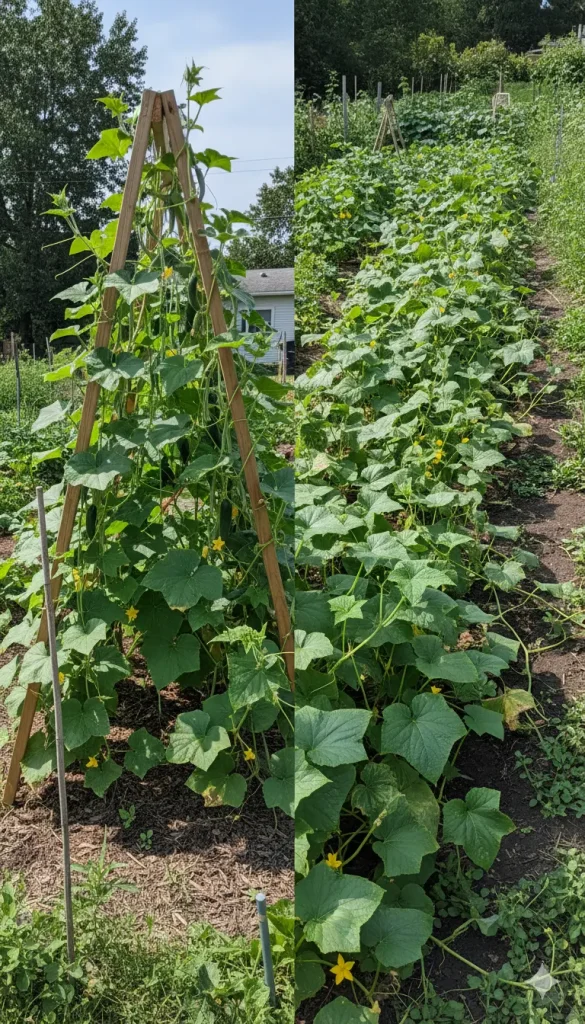
A-Frame Trellis
This is the classic garden favorite.
Best for: Beans, cucumbers, peas
Why it works:
- Sturdy and stable
- Easy to build
- Plants can climb from both sides
👉 If you want something beginner-friendly, this is it.
Vertical String Trellis
Simple but super effective.
Best for: Tomatoes, pole beans
Features:
- Uses strings tied to a frame
- Saves maximum space
- Budget-friendly
But heads up—this works best if you regularly train your plants. Lazy gardeners, beware.
Netting Trellis
This one uses mesh or netting for plants to grab onto.
Best for: Peas, cucumbers
Benefits:
- Lightweight and flexible
- Easy to install
- Great for fast climbers
It’s like giving your plants a ladder—they’ll climb it FAST.
Arch or Tunnel Trellis
Now we’re talking aesthetics AND function.
Best for: Gourds, cucumbers, beans
Why people love it:
- Creates a beautiful garden walkway
- Maximizes vertical space
- Strong enough for heavy produce
FYI, walking under hanging veggies feels oddly satisfying.
Wall-Mounted Trellis
Perfect if you’re tight on space.
Best for: Small gardens, balconies
Advantages:
- Uses existing walls or fences
- Super space-efficient
- Great for urban gardening
If you’re gardening in a small area, this might be your best friend.
How to Choose the Right Trellis
Consider Your Plant Type
Not all plants climb the same way.
Ask yourself:
- Does it twine (like beans)?
- Does it need tying (like tomatoes)?
- Does it grow heavy fruits (like melons)?
👉 Heavy plants need strong trellises, while light climbers can manage with simple ones.
Think About Strength and Durability
A weak trellis is basically a disaster waiting to happen.
Look for:
- Wood or metal frames for strength
- Weather-resistant materials
- Proper anchoring into the ground
Trust me, nothing hurts more than a collapsed trellis mid-season.
Match It to Your Space
Big garden? Go wild with arches and frames.
Small space? Keep it vertical and compact.
Quick guide:
- Small balcony → Wall trellis
- Medium garden → A-frame
- Large garden → Arch or tunnel
Simple, right?
Budget Matters Too
You don’t need to spend a fortune.
Affordable options include:
- Bamboo sticks
- Recycled wood
- DIY string setups
Sometimes the simplest solutions work the best.
DIY vs Store-Bought Trellises
DIY Trellis
Love a good project?
Pros:
- Budget-friendly
- Customizable
- Fun to build
Cons:
- Takes time
- Might not last as long
Store-Bought Trellis
Want something quick and reliable?
Pros:
- Durable
- Ready to use
- Professional look
Cons:
- More expensive
👉 If you’re just starting out, try DIY. You can always upgrade later.
Common Mistakes to Avoid
Let’s save you from some classic gardening fails.
❌ Choosing the Wrong Size
Too small = overcrowded plants
Too big = wasted space
Always match trellis size to plant growth.
❌ Not Installing Early
Adding a trellis late can damage roots.
👉 Install it before or right after planting.
❌ Ignoring Maintenance
Plants won’t magically climb perfectly.
You need to:
- Tie stems gently
- Guide growth
- Check stability regularly
A little effort goes a long way.
Best Vegetables for Trellising
Not sure what to grow? Start with these:
- Cucumbers – Fast growers, love to climbing
- Pole beans – Super easy and productive
- Peas – Perfect for beginners
- Tomatoes – Need support for best yield
- Squash (small varieties) Works with strong trellis
These plants practically beg for support.
Pro Tips for Trellis Success
Want next-level results? Try this:
- Place trellis facing sunlight
- Keep spacing proper between plants
- Use soft ties (like cloth strips)
- Check structure after strong winds
Small tweaks = BIG difference.
Conclusion
Choosing the right trellis for your vegetables isn’t complicated—but it is important. The right support system boosts plant health, saves space, and makes your garden look amazing.
Start simple. Pick a trellis that fits your plants, your space, and your budget. Learn as you go. Gardening isn’t about perfection—it’s about progress.
So next time you plant those climbing veggies, don’t just hope they figure it out. Give them the support they deserve—and watch your garden thrive.