
20 Stylish Living Room Decor Ideas for 2026

Your dream space may be just a few thoughtful updates away. The best Living Room Decor Ideas are not always expensive or complicated—they simply make your home feel warmer, brighter, and more personal. Whether you’re decorating a brand-new space or refreshing a room that no longer inspires you, the right design choices can completely change the atmosphere.
This collection brings together twenty stylish ideas that blend modern trends with timeless comfort. From cozy textures and statement furniture to smart layouts and elegant finishes, each idea is designed to help you create a room that looks beautiful in photos and feels even better in everyday life. I’ve noticed that even small changes, like updating lighting or adding natural materials, can dramatically improve how a space functions and feels.
If you’ve ever saved endless inspiration photos but struggled to bring those ideas into your own home, this guide is here to help. Each section focuses on practical upgrades that work in real homes and for different styles and budgets. By the end, you’ll have plenty of inspiration and actionable tips to transform your living room into a space you’ll love spending time in.
1. Warm Neutral Palette

- Creates a calm and welcoming atmosphere without feeling plain.
- Makes small spaces appear brighter and more open.
- Works beautifully with different furniture styles and seasonal accents.
- Adds warmth through layered fabrics and natural textures.
- Easy to update with pillows, throws, or artwork.
Nothing changes the feeling of a space faster than a soft, neutral color scheme layered with texture and warmth. Shades of cream, sand, and muted brown instantly create a relaxed setting that feels both modern and timeless. Instead of relying on bold colors, this approach uses cozy fabrics, wood accents, and subtle contrast to add depth. Many homeowners choose this style because it adapts easily to changing trends while still feeling personal and inviting throughout the year.
A carefully balanced palette also helps larger furniture pieces blend naturally into the room instead of dominating it. In my experience, textured rugs, linen curtains, and woven baskets make neutral interiors feel intentional rather than empty. This design works especially well for people searching for fresh Living Room Decor Ideas that can evolve over time. The final result is a brighter, calmer environment where every decorative element feels connected without overwhelming the overall look of the space.
2. Curved Accent Sofa
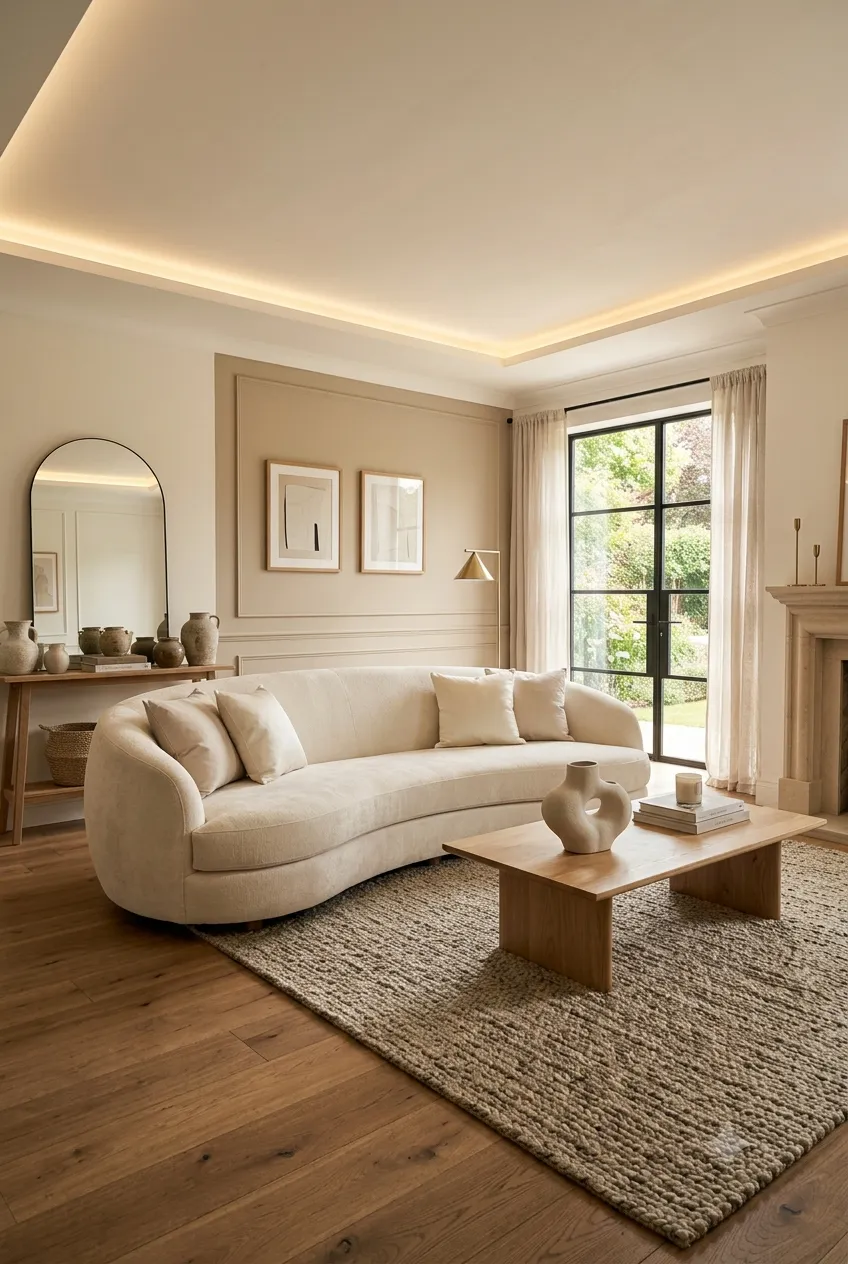
- Softens the overall layout and reduces harsh lines.
- Creates a stylish focal point without extra decorations.
- Encourages conversation by naturally opening the seating area.
- Adds a modern touch to traditional spaces.
- Pairs well with round tables and layered lighting.
One statement piece can completely redefine the mood of an interior, and curved seating is becoming a favorite choice for modern homes. The smooth silhouette instantly breaks up rigid layouts filled with square furniture and straight walls. It brings movement into the room while making the seating area feel more welcoming. Even in compact spaces, rounded shapes create visual flow and help guests move comfortably through the area without making the arrangement feel crowded.
The beauty of this design lies in its balance between style and function. I’ve noticed that curved furniture often makes open-plan homes feel more connected because the softer lines naturally guide the eye across the room. Pairing the sofa with textured pillows and a circular coffee table enhances the effect without adding clutter. For homeowners updating their spaces in 2026, this trend offers a polished look that feels fresh while remaining practical for everyday life.
3. Layered Lighting Setup
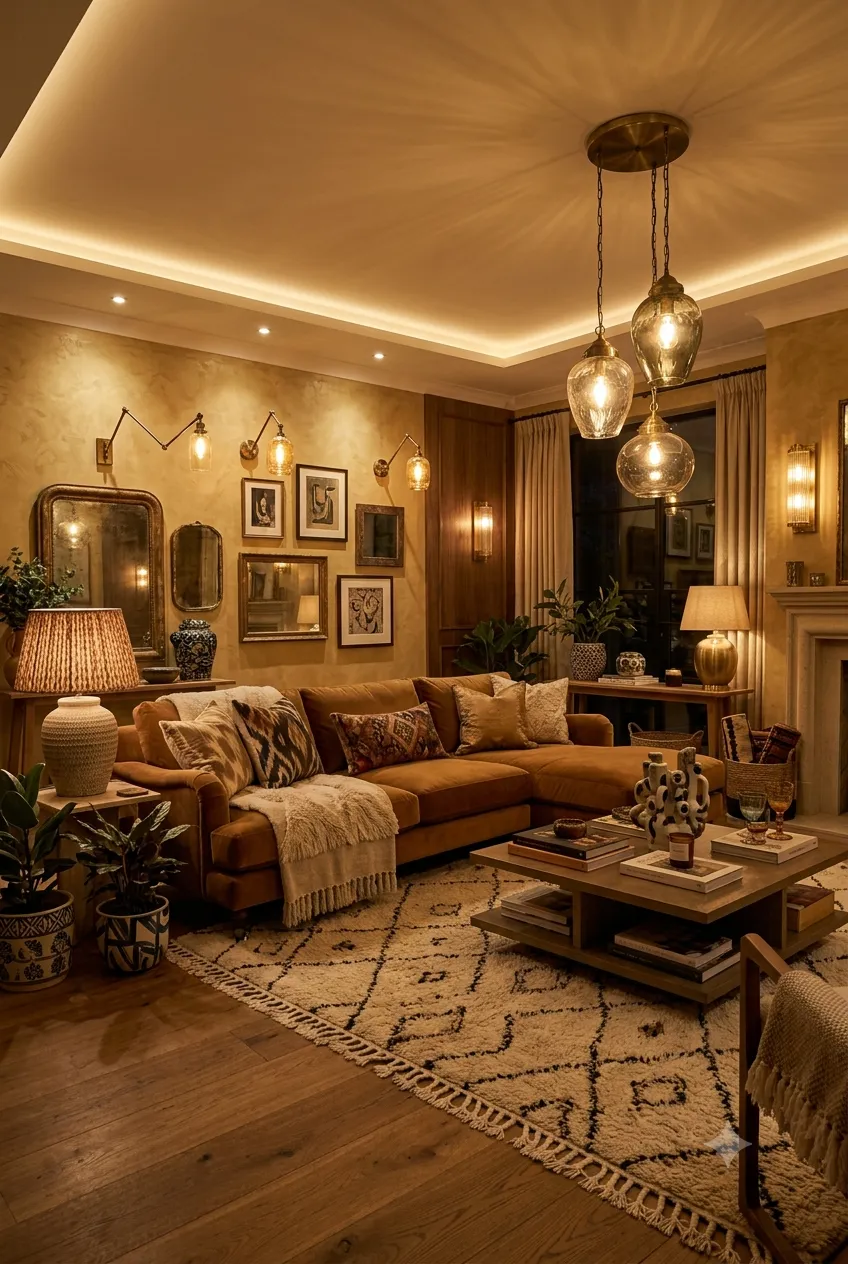
- Adds depth and dimension throughout the room.
- Allows different moods for relaxing, reading, or entertaining.
- Eliminates dark corners and harsh shadows.
- Makes decorative features stand out more clearly.
- Offers flexibility without major renovations.
Great lighting can make ordinary furniture look expensive and instantly elevate the entire room. Instead of depending on a single ceiling fixture, combining several light sources creates a layered effect that feels warm and intentional. Table lamps, wall sconces, and subtle overhead lighting each serve a different purpose while working together visually. That’s why many designers recommend mixing lighting heights to add character and ensure the room feels comfortable during both daytime and evening hours.
The biggest advantage of this approach is how adaptable it is for everyday life. A bright setting may work well for gatherings, while softer lighting creates a cozy atmosphere at night. I’ve seen this work well in many homes because it enhances textures, highlights artwork, and improves overall comfort without requiring major changes. Among today’s most practical living space upgrades, thoughtful lighting remains one of the simplest ways to transform both appearance and functionality.
4. Statement Gallery Wall

- Turns an empty wall into a strong focal point.
- Adds personality without changing the furniture layout.
- Mixes art, photos, and prints in one cohesive display.
- Helps large rooms feel warmer and more lived in.
- Can be updated over time with new pieces.
Blank walls often make even beautifully furnished rooms feel unfinished, but a thoughtfully arranged collection of artwork instantly changes that impression. Combining framed prints, personal photographs, and textured pieces creates visual interest that reflects individual style. Instead of filling every inch of space, leaving small gaps between frames keeps the arrangement balanced and modern. This approach works especially well in homes that need character without investing in major renovations or expensive custom features.
What makes this idea so effective is its flexibility across different design styles and budgets. In my experience, starting with one larger piece and building around it creates a more natural composition than hanging everything at once. Gallery walls also allow homeowners to introduce color and texture in subtle ways. As trends evolve, swapping a few frames or prints can refresh the room while preserving the overall aesthetic that makes the space feel personal.
5. Textured Wood Accents

- Brings warmth and depth into modern interiors.
- Balances sleek furniture with natural materials.
- Adds texture without overwhelming the room.
- Works beautifully with both light and dark color palettes.
- Creates a timeless look that ages gracefully.
Natural materials continue to shape interior trends because they add warmth that painted surfaces alone cannot provide. Wooden shelving, slatted panels, and handcrafted furniture introduce texture while keeping the space grounded and inviting. Lighter oak finishes create an airy feel, while darker woods add richness and contrast. Small additions, such as side tables or decorative trays, can make a noticeable difference without requiring a complete redesign of the room.
The appeal of wood lies in its ability to soften modern spaces that sometimes feel too polished or impersonal. I’ve noticed that mixing different grain patterns and finishes creates more visual depth than matching every piece exactly. This technique pairs especially well with soft fabrics and layered lighting, creating an environment that feels balanced and comfortable. Many homeowners appreciate how these elements remain stylish year after year, making them a smart long-term choice.
6. Oversized Area Rug
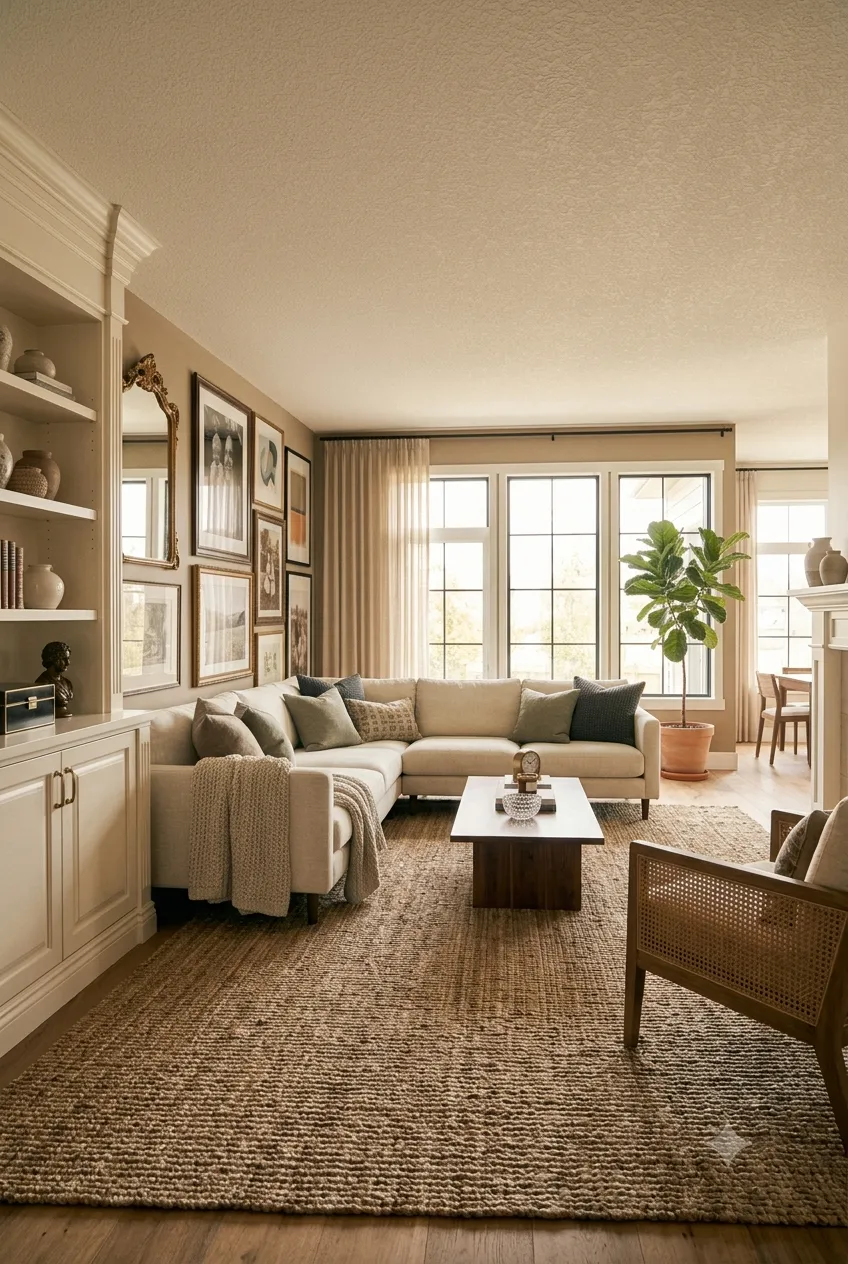
- Defines the seating area and improves room flow.
- Makes the entire space feel larger and more cohesive.
- Adds softness underfoot and reduces visual emptiness.
- Anchors furniture pieces into one unified layout.
- Introduces color and texture in a subtle way.
A larger rug does far more than protect the floor—it visually connects every major piece of furniture in the room. When sofas, chairs, and tables sit partially on the rug, the entire layout feels intentional and complete. Choosing a size that extends beyond the seating area prevents the space from appearing fragmented. Soft textures and understated patterns also contribute to a welcoming atmosphere without competing with the rest of the decor.
Many people underestimate how dramatically the right rug can transform a room’s proportions. I’ve seen this work well in many homes because it instantly creates structure, especially in open-concept spaces. Subtle woven designs and neutral tones remain popular choices because they complement changing trends and seasonal accessories. For anyone exploring fresh Living Room Decor Ideas, investing in a properly sized rug is one of the simplest upgrades with the biggest visual impact.
7. Floor-To-Ceiling Curtains

- Makes ceilings appear higher and rooms feel larger.
- Softens hard surfaces and improves the overall balance.
- Filters natural light without darkening the space.
- Adds texture with very little effort.
- Works with both modern and traditional interiors.
Few design updates create such an immediate sense of elegance as curtains that extend all the way to the floor. Hanging drapes higher than the window frame draws the eye upward and makes even modest rooms feel more spacious. Light fabrics such as linen or cotton allow sunlight to filter through gently, creating a softer atmosphere throughout the day. This simple adjustment can completely change how furniture, artwork, and decorative pieces interact with the surrounding space.
The best part is that this idea works across many different styles and budgets. In my experience, neutral curtains tend to age better than trendy patterns because they blend effortlessly with changing decor. Choosing fabrics with subtle texture adds visual interest while maintaining a calm, polished look. Homeowners often notice that taller curtains not only enhance the room aesthetically but also make the entire space feel more comfortable and thoughtfully designed.
8. Mixed Metal Finishes

- Adds contrast without introducing extra colors.
- Keeps modern interiors from looking flat or repetitive.
- Highlights lighting fixtures and decorative details.
- Creates a layered, collected appearance.
- Allows small upgrades without replacing major furniture.
Mixing metallic finishes brings depth and personality to a room in a way that feels polished rather than overly coordinated. Combining black hardware with brass lighting or chrome accents creates subtle contrast that catches the eye. Instead of matching every detail perfectly, thoughtful variation helps decorative elements stand out while maintaining harmony. This approach works particularly well in contemporary homes where texture and material play an important role in the overall aesthetic.
Balance is the key to making this style feel intentional. I’ve noticed that limiting the room to two or three finishes prevents the space from becoming visually busy. Smaller details, such as picture frames, table legs, and lamp bases, can introduce metallic touches without overwhelming the design. That’s why many designers recommend starting with existing fixtures and gradually layering complementary materials for a more refined and timeless result.
9. Cozy Reading Corner

- Turns an unused corner into a functional retreat.
- Encourages relaxation and quiet moments at home.
- Adds warmth without changing the entire layout.
- Creates visual balance in larger rooms.
- Brings personality through books, lighting, and textiles.
Sometimes the most memorable part of a home is not the main seating area but a small corner designed for comfort and relaxation. A comfortable chair, soft blanket, and warm lamp can transform an empty space into a favorite daily retreat. Whether used for reading, listening to music, or simply unwinding after work, this setup adds both beauty and purpose without requiring a major redesign of the room.
What makes this idea especially appealing is how personal it can become over time. I’ve seen this work well in many homes because even compact spaces can accommodate a cozy nook with thoughtful furniture placement. Layered textures, books, and natural light help create a welcoming atmosphere that feels separate from the rest of the room. Small additions like these often have the biggest impact on how people experience their homes every day.
10. Sculptural Coffee Table

- Creates a striking centerpiece without adding clutter.
- Introduces shape and texture to simple interiors.
- Balances large seating areas with a bold focal point.
- Makes the room feel more curated and intentional.
- Works beautifully with minimalist decor styles.
The right coffee table does far more than hold books and drinks—it anchors the entire seating area and influences the room’s personality. Sculptural designs with rounded silhouettes, unique materials, or artistic bases instantly attract attention while keeping the overall look refined. Even in spaces with neutral furniture, an eye-catching centerpiece introduces depth and movement. Choosing a piece with interesting textures or organic shapes can elevate the room without relying on excessive decorations.
A well-designed table also improves how people interact with the space every day. In my experience, rounded corners and soft edges make living areas feel more relaxed and inviting, especially in homes with open layouts. Pairing sculptural furniture with simple accessories allows the design to stand out naturally. As interiors continue to embrace artistic influences in 2026, statement tables remain one of the easiest ways to create a polished, designer-inspired atmosphere.
11. Indoor Plant Styling

- Brings color and texture into neutral spaces.
- Softens sharp lines and hard surfaces.
- Makes the room feel fresher and more welcoming.
- Fills empty corners without adding bulky furniture.
- Pairs well with almost any decorating style.
Nothing refreshes a room quite like greenery placed in the right spots. Tall plants beside windows, trailing vines on shelves, and small pots on coffee tables instantly make interiors feel more alive. Beyond their visual appeal, plants introduce natural shapes that balance structured furniture and clean architectural lines. Even a few carefully chosen varieties can transform an ordinary layout into a space that feels calmer and more connected to nature.
The key is choosing greenery that fits both the room and your lifestyle. I’ve noticed that larger plants often have the biggest impact because they fill awkward corners while adding height to the design. Woven baskets, ceramic planters, and wooden stands help tie the look together without overwhelming the space. For homeowners searching for fresh Living Room Decor Ideas, indoor plants offer an affordable update that continues to feel timeless year after year.
12. Floating Wall Shelves

- Maximizes wall space without making the room feel crowded.
- Provides storage while keeping the design open and airy.
- Displays personal items in a stylish way.
- Adds vertical interest to blank walls.
- Allows easy seasonal updates and rearrangement.
Empty walls often represent missed opportunities, and floating shelves solve that problem with both style and practicality. Their clean design keeps the room feeling spacious while creating a dedicated place for books, artwork, and decorative pieces. Because they occupy very little visual space, shelves work especially well in smaller homes that need additional storage without bulky furniture. Layering objects at different heights also helps create a more dynamic and polished look.
Thoughtful styling makes all the difference when using open shelving. I’ve seen this work well in many homes because a balanced mix of functional and decorative items feels far more inviting than perfectly symmetrical displays. Combining natural materials, framed photographs, and textured accessories creates personality while maintaining an organized appearance. Small changes throughout the year can easily refresh the arrangement and keep the living area feeling current.
13. Stone Feature Wall

- Adds texture and architectural interest instantly.
- Creates a focal point without relying on bright colors.
- Pairs beautifully with wood and neutral fabrics.
- Gives modern spaces a timeless feel.
- Makes the room feel more layered and luxurious.
A textured stone wall has the power to transform a simple room into a space that feels refined and thoughtfully designed. Whether using natural stone, limewash finishes, or realistic panels, the variation in texture creates visual depth that flat paint cannot achieve. Soft neutral furnishings allow the wall to become the centerpiece while keeping the overall atmosphere calm. This approach works especially well in open layouts where a strong focal point helps define the seating area.
What makes this design so appealing is its balance between warmth and sophistication. In my experience, stone surfaces look best when paired with natural materials like wood, linen, and woven accents. Gentle lighting also enhances the texture, making the details more noticeable throughout the day. Homeowners often appreciate that this feature adds character and dimension without requiring a large collection of decorative accessories.
14. Minimalist Media Console

- Keeps electronics organized and visually streamlined.
- Reduces clutter around the entertainment area.
- Adds storage without overwhelming the room.
- Complements both modern and classic interiors.
- Creates a cleaner, more spacious appearance.
The entertainment area often becomes one of the busiest parts of the home, which is why a sleek media console can make such a difference. Designs with hidden storage and simple lines help conceal cables, devices, and everyday items while maintaining a polished appearance. Low-profile furniture also allows artwork, lighting, and decorative pieces to stand out instead of competing for attention. The result is a living space that feels calmer and more intentional.
A minimalist setup does not mean sacrificing personality or comfort. I’ve noticed that combining clean cabinetry with textured accessories prevents the room from feeling too stark. Small details such as books, ceramics, and subtle greenery add warmth without creating visual clutter. That’s why many designers recommend investing in storage pieces that blend function and style, especially in homes where the living room serves multiple purposes throughout the day.
15. Layered Throw Textures
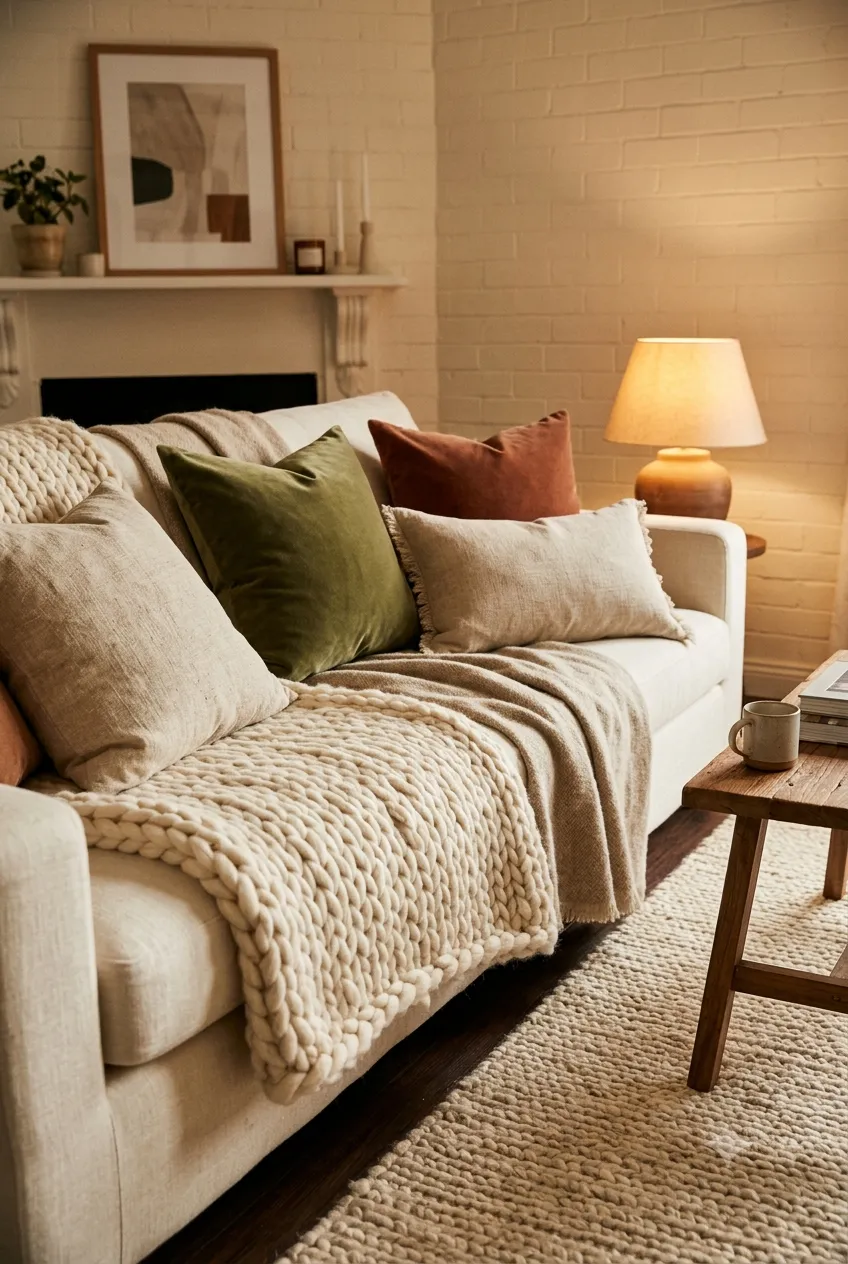
- Makes the space feel warmer and more inviting.
- Adds depth without changing the color palette.
- Helps simple furniture look more luxurious.
- Creates a relaxed, lived-in atmosphere.
- Offers an easy seasonal update.
Sometimes the smallest details create the biggest transformation, and layered textiles are a perfect example. Mixing knit throws, linen cushions, and soft fabrics instantly gives the room a richer and more welcoming feel. Different textures add dimension even when the color palette remains neutral, making the entire space appear more thoughtfully designed. This technique works particularly well in homes that need warmth but do not require major furniture changes.
The secret is combining materials with different finishes and weights. I’ve seen this work well in many homes because soft layers make seating areas feel more comfortable and encourage people to relax longer. Rotating fabrics with the seasons also keeps interiors feeling fresh without requiring a complete redesign. For anyone exploring practical Living Room Decor Ideas, textiles remain one of the simplest ways to introduce comfort and personality.
16. Built-In Bookcases
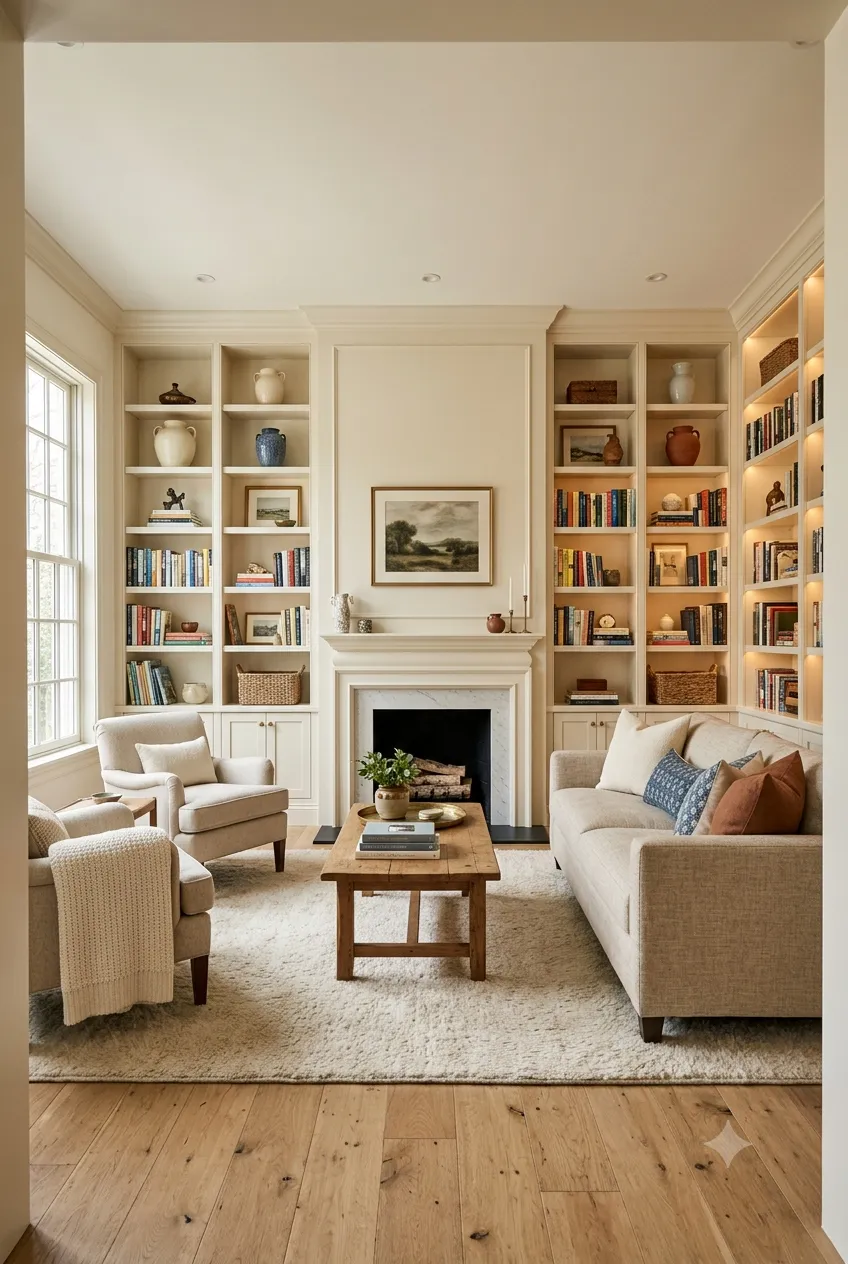
- Adds storage while making the room feel more polished.
- Turns everyday items into part of the decor.
- Creates a balanced and symmetrical layout.
- Helps large walls feel more intentional.
- Offers space to display books, art, and personal pieces.
Built-in shelving instantly gives a room a more custom and architectural look. By extending storage from floor to ceiling, bookcases draw the eye upward and add structure to open walls that might otherwise feel empty. Decorative objects, books, and framed photographs create visual interest while still serving a practical purpose. This idea works especially well in family homes where storage needs to blend seamlessly with the overall design instead of standing out.
What makes built-in shelving so effective is its ability to combine beauty with everyday function. In my experience, mixing books with natural textures and leaving some empty space prevents shelves from appearing overcrowded. Warm lighting inside the units can also highlight favorite objects and make the room feel more welcoming in the evening. Thoughtful styling transforms simple storage into a focal point that adds personality and lasting value.
17. Vintage Accent Pieces
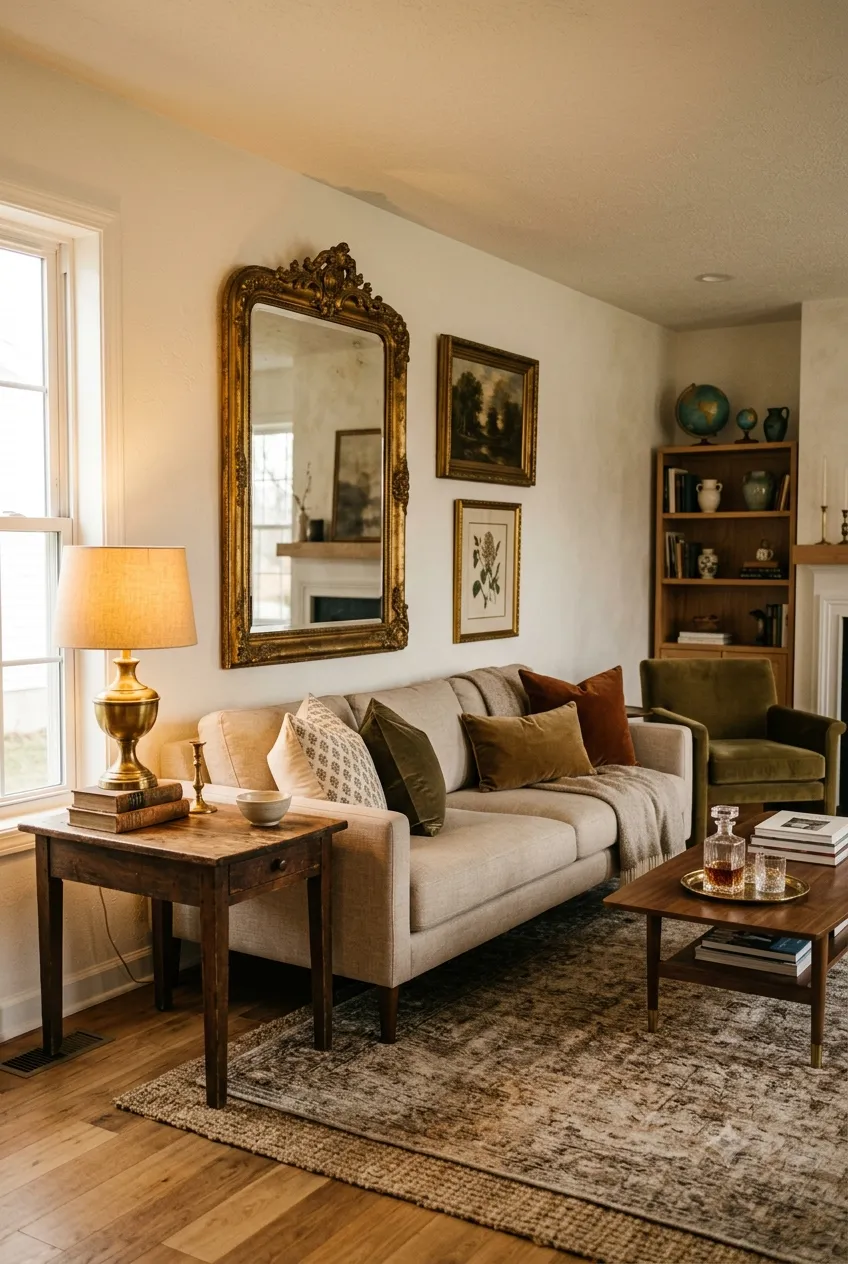
- Adds character and history to modern interiors.
- Creates contrast without overwhelming the room.
- Makes the space feel more collected and personal.
- Works with both minimalist and traditional styles.
- Allows unique details to stand out naturally.
A few vintage pieces can completely change the atmosphere of a modern living room by introducing warmth and personality. An antique mirror, a weathered table, or a classic lamp brings texture and a sense of history that brand-new furniture often lacks. Instead of making the room feel outdated, these elements create contrast and help the design feel more layered. Even a single statement piece can become a conversation starter.
The key is balancing old and new materials so that the room feels curated rather than themed. I’ve noticed that vintage accents work especially well when paired with simple furniture and neutral colors, allowing their unique details to shine. Small imperfections in wood or metal often add charm and authenticity. That’s why many designers recommend incorporating a few timeless finds instead of replacing an entire room with trendy decor.
18. Open Layout Zoning
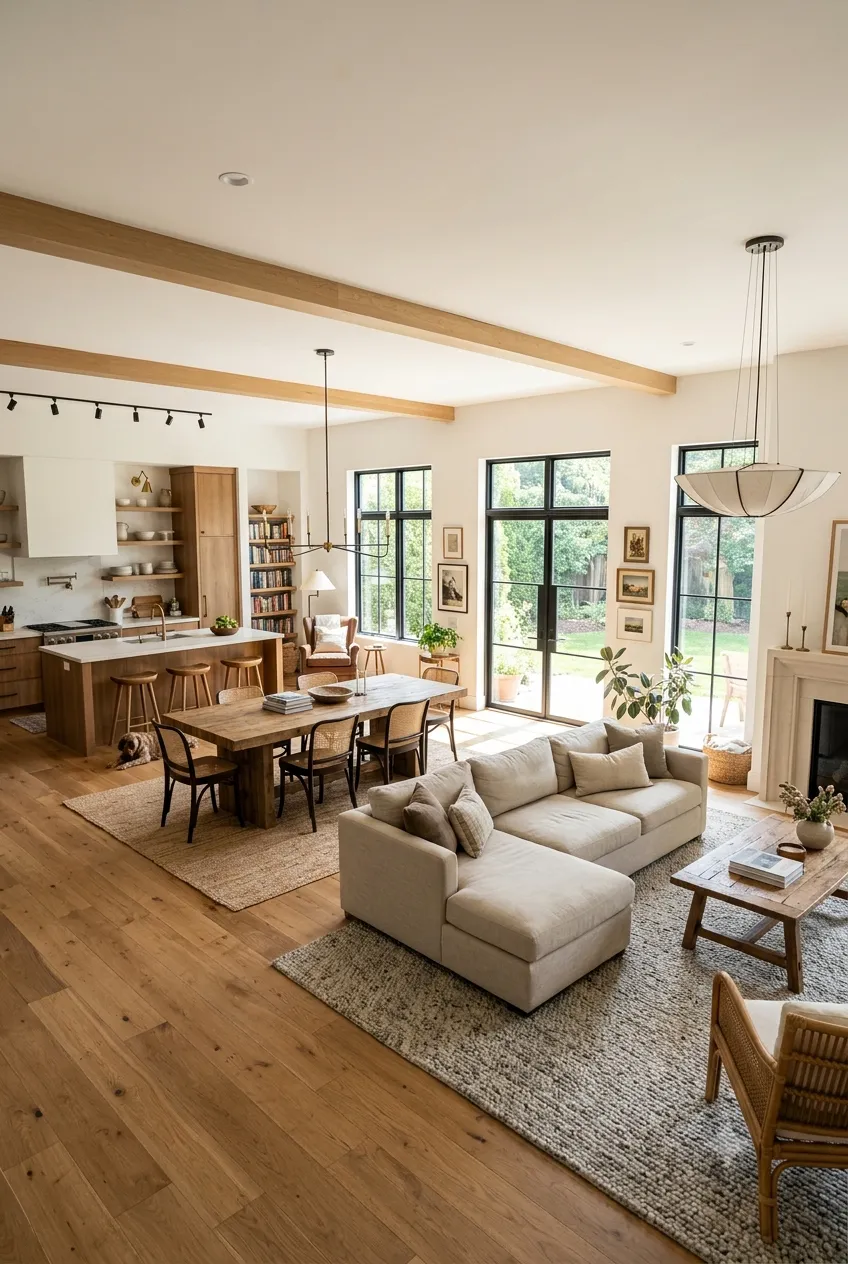
- Defines different areas without adding walls.
- Makes large rooms feel more organized.
- Improves traffic flow and everyday functionality.
- Creates a sense of purpose in each section.
- Helps furniture arrangements feel intentional.
Open-concept homes feel bright and spacious, but without clear boundaries they can sometimes appear unfinished or chaotic. Creating zones with rugs, lighting, and strategic furniture placement helps each area serve a specific purpose while maintaining an open feel. A seating space, reading nook, or dining corner becomes easier to use when subtle visual cues separate one function from another. The result is a room that feels both connected and organized.
Thoughtful zoning also improves how people move through the home every day. I’ve seen this work well in many homes because simple adjustments, such as rotating a sofa or adding a floor lamp, can redefine the layout without expensive renovations. Carefully planned zones encourage conversation, relaxation, and better use of available space. As homes continue to serve multiple roles, flexible layouts remain an essential design strategy.
19. Bold Ceiling Detail

- Draws attention upward and makes the room feel taller.
- Adds architectural interest without taking up floor space.
- Brings texture and depth to simple interiors.
- Helps large rooms feel more finished and intentional.
- Creates a custom look with minimal furniture changes.
Most people focus entirely on walls and furniture, but the ceiling can dramatically influence how a room feels. Decorative beams, subtle paneling, or painted details add dimension to spaces that otherwise appear flat. Even a simple design element overhead creates contrast and gives the room a more polished appearance. Because the ceiling covers such a large surface, small upgrades often make a surprisingly big impact on the overall atmosphere.
The best ceiling treatments complement the rest of the space instead of competing with it. In my experience, natural wood finishes and soft neutral tones create visual interest while maintaining a calm aesthetic. Carefully placed lighting also enhances texture and highlights architectural details after sunset. Homeowners who want a distinctive look without major renovations often find that ceiling upgrades deliver impressive results with relatively little effort.
20. Monochrome Modern Styling

- Creates a clean and cohesive appearance.
- Allows textures and shapes to stand out more clearly.
- Makes decorating decisions feel simpler.
- Gives the room a timeless and elegant character.
- Works beautifully with both contemporary and classic furniture.
A monochrome palette proves that a room does not need vibrant colors to feel stylish and inviting. By layering different shades and textures within the same color family, homeowners can create depth while maintaining a calm and sophisticated look. Soft fabrics, sculptural furniture, and contrasting finishes prevent the design from feeling flat. This approach remains popular because it adapts easily to changing trends and complements a wide variety of architectural styles.
The success of this style depends on thoughtful variation rather than perfect matching. I’ve noticed that combining matte finishes, woven materials, and subtle patterns creates a richer effect than relying on color alone. For people exploring new Living Room Decor Ideas in 2026, monochrome styling offers a practical way to achieve a high-end aesthetic without overcrowding the space. The final result feels organized, timeless, and effortlessly modern.
Conclusion
Refreshing your home doesn’t require a complete renovation—sometimes a few intentional changes can make the biggest difference. These ideas show how thoughtful layouts, layered textures, and timeless details can completely transform the look and feel of your space. Whether you try one update or combine several, the goal is to create a room that reflects your personality and supports everyday life.
I’ve seen how small design changes can make a home feel more inviting and functional. For more inspiration, explore our living room decor ideas and cozy fall aesthetic collections. Save these Living Room Decor Ideas on Pinterest for future inspiration, share them with friends, and start experimenting with the styles that speak to you most. Your perfect living room might be closer than you think.